
If you spend time on Nigerian Twitter, TikTok, Instagram, Nollywood comment sections, Afrobeats spaces, or Nigerian university humour pages, you have probably come across the word Sapa.
Sometimes it appears as a joke. Sometimes it appears as a complaint. Other times, it is used like a real-life enemy attacking someone’s bank account.
You may see Nigerians write things like:
“Sapa don hold me.”
“Sapa choke.”
“God abeg, no let Sapa see me.”
“After paying rent, Sapa entered my life.”
But what does Sapa actually mean?
- What Does Sapa Mean?
- Why Sapa Means More Than Being Broke
- Origin of Sapa in Nigerian Slang
- How Sapa Became Popular
- How to Pronounce Sapa
- Common Sapa Phrases and Their Meanings
- Real-Life Examples of Sapa in Sentences
- Sapa in Nigerian Pidgin
- Sapa vs Being Broke: What Is the Difference?
- Is Sapa the Same as Poverty?
- Is Sapa an Insult?
- Can Sapa Be Used Outside Nigeria?
- Common Mistakes People Make With Sapa
- Sapa and Nigerian Humour
- Quick Meaning of Sapa
- Frequently Asked Questions About Sapa
- Conclusion
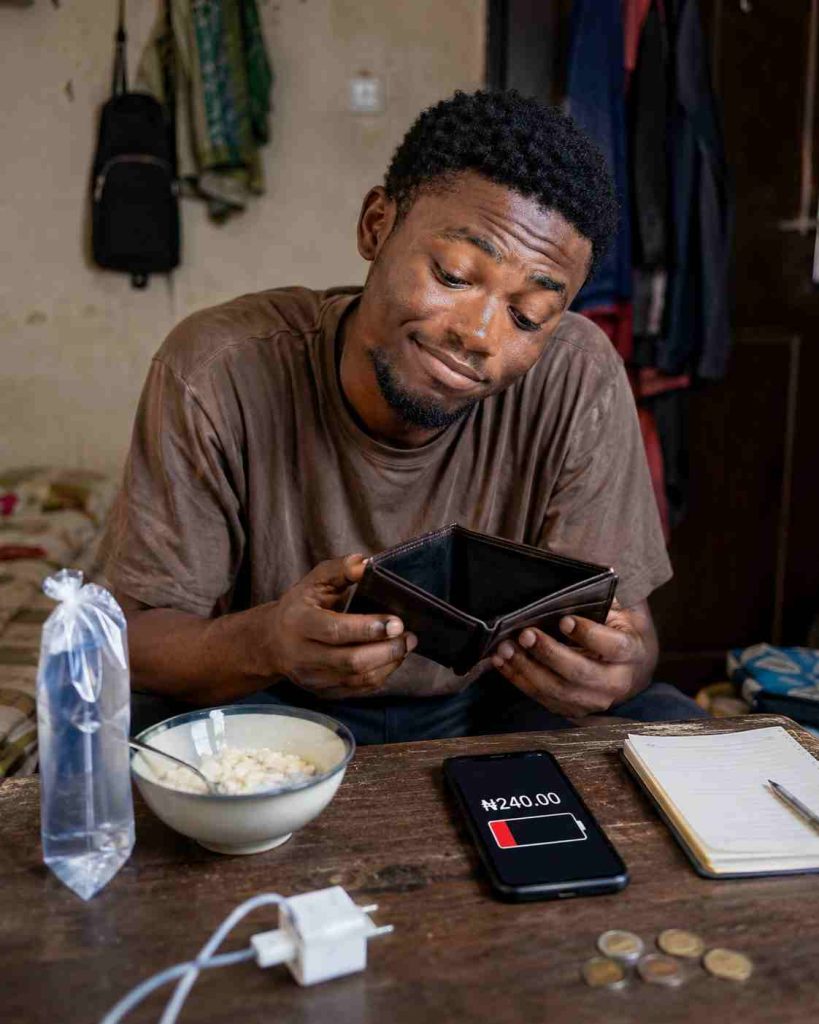
In Nigerian slang, Sapa means extreme brokenness, financial hardship, or a painful lack of money. It describes the uncomfortable moment when your finances are so low that even ordinary spending feels impossible.
However, the meaning of Sapa goes beyond simply saying “I am broke.” In Nigerian usage, Sapa is often treated as a force, a visitor, a spirit, or a stubborn enemy that attacks people financially.
That dramatic, humorous quality is what makes the word so powerful.
What Does Sapa Mean?
Sapa is a Nigerian slang term used to describe a state of serious financial lack, unexpected poverty, or being extremely broke.
A person experiencing Sapa does not just casually lack money. The word usually suggests that the person is feeling the full pressure of financial shortage.
For example, someone may say:
“I can’t go out this weekend. Sapa don hold me.”
This means:
“I cannot afford to go out this weekend because I am very broke.”
Sapa can describe temporary financial difficulties, such as waiting for salary, allowances, payments, or business income. It can also describe the painful consequences of overspending, unexpected bills, unpaid debts, rent pressure, student hardship, or the general cost of living.
In simple English, Sapa means being broke.
In Nigerian cultural usage, it means something deeper:
Sapa is the dramatic, humiliating, sometimes funny condition of being financially trapped.
Why Sapa Means More Than Being Broke
The closest English translation of Sapa is “being broke,” but it does not fully capture its cultural meaning.
In Nigerian slang, Sapa is often personified. Nigerians talk about it as if it can move, attack, catch, hold, press, embarrass, or punish someone.
That is why people say:
“Sapa don catch me.”
They do not usually say:
“I am experiencing a temporary liquidity problem.”
The humour matters. Nigerian slang often turns hardship into comedy, not because the hardship is not serious, but because humour is one of the ways people survive pressure.
So when a Nigerian says “Sapa is dealing with me,” they may be laughing, but the meaning is still real: money is tight, spending has become difficult, and financial pressure is uncomfortable.
Origin of Sapa in Nigerian Slang
The exact origin of Sapa is difficult to trace to one person, place, or moment. Like many Nigerian slang terms, it appears to have grown organically from street language, youth culture, Nigerian Pidgin, social media, and everyday financial struggle.
The word is commonly associated with Yoruba and Nigerian Pidgin usage, but it has become widely understood across Nigeria through social media, music, memes, skits, and student culture.
A popular humorous explanation says SAPA means:
Sudden Absence of Purchasing Ability
Some people also expand it as:
Serious Absence of Purchasing Ability
Severe Absence of Purchasing Ability
These meanings are best understood as playful backronyms. In other words, Nigerians created funny explanations around the word after it became popular. They are not necessarily the original linguistic source of the slang.
What is clear is that Sapa became especially popular online around the early 2020s, when Nigerians began using it widely to describe financial difficulty in a funny, relatable way.
How Sapa Became Popular
Sapa became popular because it captured a feeling many people understood immediately.
Nigeria has a strong culture of creative slang. Words and phrases can move from local street conversations to university hostels, then to Twitter, TikTok, Instagram, comedy skits, Afrobeats lyrics, and everyday speech.
Sapa followed that path.
Several things helped the word spread:
1. Social media
On Nigerian Twitter and TikTok, people began using Sapa to describe the pain of being broke after spending too much, paying bills, buying data, sending money home, paying school fees, or waiting for a salary.
Because the word was funny and emotionally accurate, it spread quickly.
2. University and youth culture
Students often use humour to talk about financial struggle. In campus life, Sapa can describe the period when allowance has finished, food is low, and everyone is waiting for the next allowance to arrive.
This made the slang especially popular among young Nigerians.
3. Comedy skits and memes
Nigerian skit makers helped turn Sapa into a character. In many jokes, Sapa behaves like an invisible force that follows people around, blocks enjoyment, and ruins plans.
4. Afrobeats and pop culture
Nigerian music has always helped spread street language. Once a slang term enters songs, captions, and celebrity speech, it becomes even more familiar to audiences outside Nigeria.
That is why Sapa is now understood not only in Nigeria, but also among many Africans and members of the Nigerian diaspora.
How to Pronounce Sapa
Sapa is usually pronounced:
SAH-kpah
The first syllable sounds like “sa” in “satisfy,” and the second syllable sounds like “kpa.”
It is short, sharp, and easy to say, which is one reason it works so well as slang.
Common Sapa Phrases and Their Meanings
| Nigerian Slang Phrase | Literal Meaning | Real Meaning |
|---|---|---|
| Sapa don hold me | Sapa has held me | I am very broke right now |
| Sapa don catch me | Sapa has caught me | I have entered serious financial hardship |
| Sapa choke | Sapa is choking | The financial pressure is intense |
| Sapa is dealing with me | Sapa is attacking me | I am really struggling financially |
| Sapa wan finish me | Sapa wants to finish me | I am extremely broke and stressed |
| God save us from Sapa | May God protect us from Sapa | I hope we avoid poverty or financial hardship |
| Sapa nice one | Well done, Sapa | A sarcastic reaction to being unable to afford something |
| Sapa no be anybody mate | Sapa is not anyone’s equal | Financial hardship is not something to joke about |
Real-Life Examples of Sapa in Sentences
Here are practical examples of how Nigerians use Sapa in daily speech.
Example 1
“I wanted to order food, but Sapa reminded me that rice is at home.”
Meaning:
“I wanted to buy food, but I remembered I cannot afford it.”
Example 2
“After paying house rent, Sapa entered my life with full force.”
Meaning:
“After paying rent, I became very broke.”
Example 3
“No ask me for money this week. Sapa don hold me.”
Meaning:
“Do not ask me for money this week. I am broke.”
Example 4
“This month long pass. Salary never enter and Sapa don dey press my neck.”
Meaning:
“This month feels very long. My salary has not arrived and I am under financial pressure.”
Example 5
“I saw the shoe online, but Sapa said I should respect myself.”
Meaning:
“I wanted to buy the shoe, but I realised I could not afford it.”
Example 6
“Na Sapa make me delete all my delivery apps.”
Meaning:
“I deleted my delivery apps because I am trying not to spend money.”
Example 7
“Sapa has humbled everybody.”
Meaning:
“Financial hardship has affected many people.”
Sapa in Nigerian Pidgin
Because Sapa is often used in Nigerian Pidgin and informal Nigerian English, it usually appears in relaxed, conversational sentences.
Examples include:
“Sapa don hold me.”
Standard English:
“I am very broke.”
“Sapa no go see us this year.”
Standard English:
“We will not experience financial hardship this year.”
“I dey avoid billing because Sapa dey town.”
In standard English:
“I am avoiding financial requests because I am broke.”
“Na Sapa make me trek.”
Standard English:
“I walked because I could not afford transport.”
“Sapa don reset my priorities.”
Standard English:
“Being broke has forced me to rethink my spending.”
Sapa vs Being Broke: What Is the Difference?
Although Sapa means being broke, there are subtle differences between the two expressions.
1. Sapa is more dramatic
“Being broke” is direct.
“Sapa don hold me” is more dramatic, funny, and expressive.
It makes financial hardship sound like an event rather than just a condition.
2. Sapa often feels sudden
Sapa is often used when someone unexpectedly realises they have run out of money.
For example, after a weekend of spending, a person may check their account balance and say:
“Ah. Sapa don set in.”
This means the financial reality has suddenly become clear.
3. Sapa carries humour
Saying “I am poor” may sound heavy or shameful.
Saying “Sapa is dealing with me” allows the speaker to express the same struggle with humour.
4. Sapa is communal
Sapa is often used as a shared joke. People laugh about it together because almost everyone understands what it feels like to be under financial pressure.
That is why the slang works across class lines. A student can use it. A worker can use it. A celebrity can use it jokingly. A business owner waiting for payment can use it.
Sapa is treated like an equal-opportunity visitor.
Is Sapa the Same as Poverty?
Not exactly.
Sapa can refer to poverty, but in everyday Nigerian usage, it often describes temporary brokenness or financial pressure.
A person who says “Sapa don hold me” may not mean they are permanently poor. They may simply mean they are currently out of money, waiting for a salary, recovering from expenses, or unable to spend freely.
So the meaning depends on context.
Sapa can mean poverty, but it often means temporary financial hardship.
Is Sapa an Insult?
Sapa is not always an insult. Most of the time, people use it jokingly to describe themselves.
For example:
“Sapa don finish me this month.”
This is self-description, not an insult.
However, it can become insulting if used to mock another person’s financial condition.
For example:
“Look at you. Sapa don finish you.”
That can sound rude, depending on tone and relationship.
Like many slang terms, the meaning depends on who is speaking, who they are speaking to, and how they say it.
Can Sapa Be Used Outside Nigeria?
Yes. Sapa is now understood by many people outside Nigeria, especially across African social media and within the Nigerian diaspora.
However, it remains strongly Nigerian-coded. It carries Nigerian humour, Pidgin rhythm, and street-cultural energy.
A non-Nigerian can use the word, but it is important to understand the context. Sapa is informal slang. It is not the kind of word you would normally use in formal business writing, academic writing, or professional emails.
You can use it in casual conversation, social media captions, memes, jokes, and informal commentary.
Common Mistakes People Make With Sapa
Mistake 1: Thinking Sapa only means laziness
Sapa does not mean someone is lazy. It means the person is broke, financially strained, or lacking money.
A hardworking person can experience Sapa.
Mistake 2: Thinking Sapa only happens after overspending
Overspending can lead to Sapa, but Sapa can also come from rent, bills, family responsibilities, low wages, inflation, delayed payment, school expenses, emergencies, or general hardship.
Mistake 3: Using Sapa in formal writing
Sapa is informal slang. It works best in casual Nigerian conversation, humour, captions, skits, and social commentary.
Mistake 4: Treating the acronym as the original meaning
“Sudden Absence of Purchasing Ability” is a funny and memorable explanation, but it is better understood as a playful backronym, not a confirmed original source.
Sapa and Nigerian Humour
One reason Sapa became so popular is that it reflects the Nigerian habit of turning hardship into language.
Nigerians often create sharp, funny, emotionally accurate words for difficult experiences. This does not mean the struggle is unserious. It means people are finding a way to speak about pressure without being completely swallowed by it.
Sapa captures that balance perfectly.
It is funny, but it is also real.
It can make people laugh, but it also points to the cost of living, youth unemployment, social pressure, unstable income, expensive lifestyles, and the emotional stress of financial survival.
That is why Sapa works so well as slang. It says a lot with one short word.
Quick Meaning of Sapa
Sapa means being extremely broke, financially stranded, or under serious money pressure.
It is Nigerian slang used mostly in informal conversation, Nigerian Pidgin, memes, social media, skits, and pop culture.
When someone says:
“Sapa don hold me,”
they mean:
“I am very broke right now.”
When someone says:
“Sapa choke,”
they mean:
“The financial hardship is intense.”
And when someone says:
“God save us from Sapa,”
they are simply praying to avoid the painful, humbling condition of having no money when money is badly needed.
Frequently Asked Questions About Sapa
What does Sapa mean in Nigerian slang?
Sapa means extreme brokenness, financial hardship, or a serious lack of money. It is used when someone is very broke or unable to afford things.
Is Sapa a Nigerian word?
Yes. Sapa is a Nigerian slang term commonly used in Nigerian Pidgin, informal Nigerian English, social media, memes, music, and everyday conversation.
What does “Sapa don hold me” mean?
“Sapa don hold me” means “I am very broke” or “I am currently experiencing serious financial hardship.”
What does “Sapa choke” mean?
“Sapa choke” means the financial pressure is very intense. It is a dramatic way of saying that being broke has become uncomfortable.
Is Sapa the same as being poor?
Sapa can mean poverty, but it often refers to temporary financial hardship. Someone can experience Sapa after overspending, paying bills, waiting for salary, or dealing with unexpected expenses.
Where did Sapa come from?
The exact origin is not tied to one confirmed person or place. It is commonly linked to Nigerian street language, Yoruba/Pidgin usage, youth culture, and social media. It became widely popular through memes, skits, Afrobeats culture, and everyday Nigerian online conversation.
What is the full meaning of SAPA?
A popular humorous full meaning is “Sudden Absence of Purchasing Ability” or “Serious Absence of Purchasing Ability.” However, this is best understood as a playful backronym rather than a confirmed original meaning.
Can I use Sapa in a sentence?
Yes. Example:
“I wanted to go out, but Sapa don hold me.”
This means:
“I wanted to go out, but I am too broke right now.”
Conclusion
Sapa is one of the most expressive words in modern Nigerian slang. It means being broke, but it carries more humour, drama, and cultural meaning than the ordinary English phrase.
To experience Sapa is to feel financially trapped, humbled, or restricted by lack of money. It can happen after overspending, paying rent, waiting for salary, dealing with bills, or simply surviving a difficult month.
But the power of the word lies in how Nigerians use it. Sapa turns financial hardship into a shared joke, a social warning, a prayer point, and a cultural expression.
So the next time someone says “Sapa don hold me,” you will know exactly what they mean.
They are not just broke.
Sapa has entered the chat.