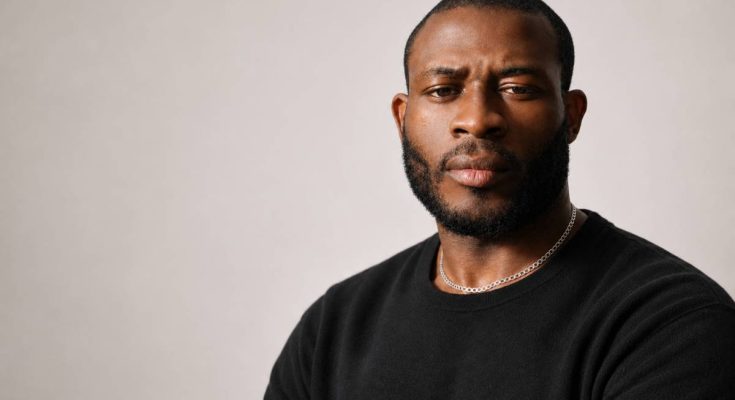
I am Daniel Nkado, a Nigerian writer and social researcher whose work examines Black identity, racism, racial power, institutional inequality and social belonging.
I am the founder of DNB Stories Africa, a platform exploring African and Black diaspora experiences through storytelling, cultural analysis, social research and public education.
For over a decade, my writing has explored the relationship between culture, identity, human behaviour and social power. My work seeks to understand not only how people behave within societies, but also how social expectations, cultural narratives and institutional structures influence their choices, opportunities and sense of belonging.
My approach combines lived experience, community-informed research, critical analysis and accessible public education.
The Evolution of My Work
From African Cultural Commentary to Black Social Research
My work has evolved considerably over the years, reflecting changes in my experiences, research interests and understanding of the social forces shaping Black lives.
African Cultural Commentary
My earlier work examined African cultural practices, social values, family structures, relationships and the ways traditions influence individual behaviour.
Through storytelling and commentary, I became increasingly interested in the relationship between cultural expectations, personal identity, social conformity and human freedom.
Black Queer Research
My work subsequently developed into a more focused examination of Black queer experiences, particularly within Nigerian and British diasporic contexts.
This period involved sustained inquiry into masculinity, stigma, sexuality, shame, social exclusion, migration, identity and belonging.
I became particularly interested in how social power operates within marginalised communities, including the mechanisms through which status, recognition, desirability and institutional authority influence interpersonal relationships and collective behaviour.
Black Social Research
My current work extends these inquiries into the broader social experiences of Black people across Africa and the diaspora.
I now examine how racial hierarchies, institutional systems, cultural narratives and unequal access to power shape people’s identities, opportunities, relationships and perceptions of belonging.
This evolution reflects a broadening of my interests and areas of inquiry, not a rejection of my earlier work. My field of exploration has broadened, but my central interest remains the same: understanding the social forces that shape human experiences.
Current Research Focus
My current research and commentary focus on the relationship between individual experiences and broader systems of social and institutional authority.
I examine how racial stereotypes influence public perceptions, how institutions distribute opportunity and disadvantage, and how historical inequalities continue to shape contemporary social relationships.
I am particularly interested in the psychological and cultural dimensions of racial power, including social approval, identity negotiation, status competition, internalised stigma and the pressures Black people may experience when navigating predominantly white environments.
Another area of interest is the relationship between African cultural autonomy and external systems of authority, particularly how colonial histories, migration and global inequalities influence cultural identity and perceptions of civilisation.
My work also examines how power operates within Black communities, including the social hierarchies, cultural expectations, and informal systems of influence that shape individual freedom and collective belonging.
Across these subjects, I seek to make complex social processes understandable without reducing communities, institutions or human behaviour to simplistic explanations.
Lived Experience and Perspective
My work is informed by my experiences of living and working in Nigeria and the United Kingdom.
Moving between African and European social environments has shaped my understanding of cultural differences, institutional authority, racial identity and the relationship between material development and human wellbeing.
These experiences have encouraged me to question widely accepted assumptions about cultural superiority, social progress, institutional fairness and belonging.
However, lived experience is not a substitute for evidence.
I use personal observations as starting points for inquiry, distinguishing between individual experiences, documented social patterns and conclusions supported by wider research.
My aim is to examine social power critically while recognising the complexity and diversity of human experiences.
Research Methodology and Editorial Standards
My work prioritises lived experience, primary community data where relevant, ethical framing and clarity.
Depending on the subject, I draw on community discussions, first-hand accounts, published research, historical context and comparative cultural analysis.
I distinguish between documented findings, community observations, analytical interpretations and personal commentary. Individual accounts are not automatically presented as representative of an entire population.
Not every publication constitutes an empirical research study. Some articles offer research-informed cultural analysis, while others develop interpretive arguments or examine social patterns through documented experiences and existing scholarship.
Maintaining these distinctions is central to my editorial approach.
Community-Anchored Inquiry
Community knowledge has been central to my research practice, particularly in my work documenting Black social experiences.
Rather than treating communities simply as subjects of discussion, I seek to understand how people interpret their own experiences, negotiate social expectations and respond to the environments around them.
Where direct community participation informs a publication, I prioritise consent, anonymisation and contextual safeguards.
Comparative Social Analysis
Where relevant, I examine similarities and differences between African and diasporic experiences.
This includes how migration, racial positioning, institutional systems and cultural environments influence identity, social power and belonging.
I recognise that experiences vary considerably across countries, communities and social circumstances. Comparative analysis therefore requires attention to context rather than assumptions of universal experience.
Ethical Research and Harm Minimisation
I approach sensitive subjects with trauma-informed framing, respect for privacy and an awareness of the potential consequences of public exposure.
I avoid unnecessary identifying details, distinguish allegations from established facts and remain open to corrections when new evidence becomes available.
My objective is to contribute to public understanding, not to expose vulnerable individuals or amplify avoidable harm.
DNB Stories Africa: Storytelling, Research and Public Education
DNB Stories Africa began as a storytelling platform and has evolved into a broader space for cultural analysis, social commentary and public education.
Fiction remains an important part of my creative work.
As a novelist, I explore family, love, identity, belonging, secrecy, betrayal, and the social forces that shape human relationships and personal choices.
My novels include Something Bigger Than Love, Just a Small Slice of Hope, Grace Abounds and The Village Girl.
My fiction and social research share an underlying interest in human behaviour. Fiction lets me explore it through imagined characters and circumstances, while research and commentary let me examine it in real societies.
Through DNB Stories Africa, I seek to make these perspectives accessible to readers interested in understanding African and Black social experiences.
Publications and Areas of Work
My writing spans literary fiction, African cultural commentary, Black queer research and contemporary Black social analysis.
My earlier research-informed publications examine masculinity, shame, sexuality, migration, community wellbeing and informal systems of social power.
These publications remain part of the platform’s research archive and contribute to the intellectual foundations of my current work.
My present editorial direction is represented by Race, Power & Society, a DNB Stories Africa category examining how racial hierarchies, institutions and cultural narratives shape Black experiences.
Selected Publications
The following articles illustrate different areas of my work.
Black Identity, Racism and Racial Power
- The Black Market for White Approval — An examination of how recognition from white institutions can become a form of social currency and influence within Black communities.
- No Race Has the Exclusive Right to Define Civilisation — A cultural analysis of colonial power, racial superiority narratives and the authority to define civilisation.
Black Queer Research and Social Analysis
- Impact of Slavery on Black Gay Masculinity and Desire — An analysis of racial stereotypes, historical domination, masculinity and their possible influence on contemporary Black gay experiences.
- Why Black Gay Elders Are Re-Closeting: UK vs Nigeria Comparison — A comparative examination of ageing, identity concealment, social vulnerability and elder-care environments.
These publications reflect an ongoing effort to connect individual experiences with the cultural, historical and institutional conditions in which they occur.
Research Values and Public Accountability
I believe responsible social research requires intellectual independence, sensitivity to context and a willingness to question established narratives.
My work does not assume that any racial or cultural group possesses an exclusive claim to civilisation, moral authority or human worth.
I am interested in how power becomes normalised, how inequality is explained or justified, and how people can develop a clearer understanding of the forces shaping their experiences.
I also recognise that Black communities are not socially or culturally uniform. Experiences differ according to geography, class, gender, sexuality, historical circumstances and access to institutional power.
These differences matter.
My commitment is to examine social experiences with accuracy, fairness, intellectual honesty and respect for human dignity.
Community, Media and Contact
I welcome thoughtful dialogue, research conversations, media enquiries and opportunities for collaboration involving African and Black social experiences.
Website: DNBStories.com
Research and articles: Race, Power & Society
Media, interviews and collaborations: danielnkado@gmail.com