By Daniel Nkado.
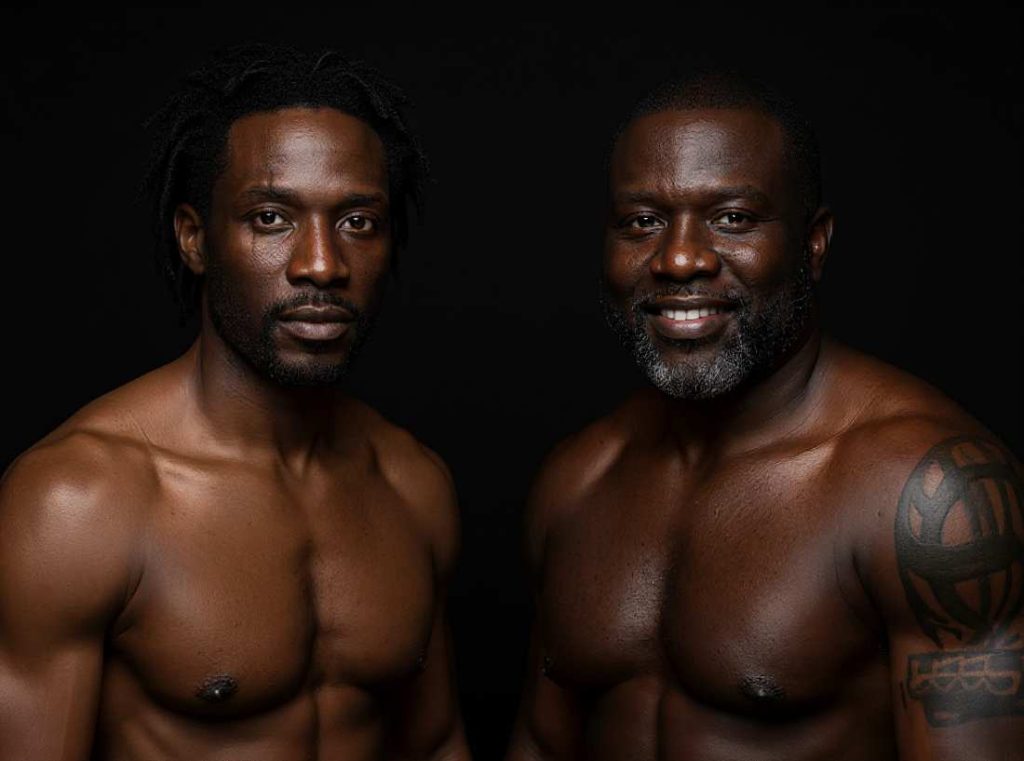
Ageing is a universal experience, but how we navigate it can vary dramatically based on our identities and societal expectations.
Have you ever wondered why some men embrace getting older with confidence, while others struggle with feelings of invisibility or loss?
This article explores the cultural differences in how straight and gay men age, focusing on self-worth, body image, and life milestones.
Drawing on psychological research, cultural insights, and personal stories, we’ll uncover why these paths diverge and what it means for emotional well-being. Whether you’re reflecting on your own journey or supporting a loved one, understanding these dynamics can foster empathy and healthier ageing for all men.
Bonus touch👏🏽: We’ve included a practical, uplifting manifesto at the end to help men approach ageing with greater confidence. Though titled “for queer men” for character, it resonates for all men. Give it a try.
Please Note: This feature isn’t about pitting groups against each other but about highlighting how culture and society shape our experiences of growing older.
1. Straight Men and the ‘Ageing Buffer’
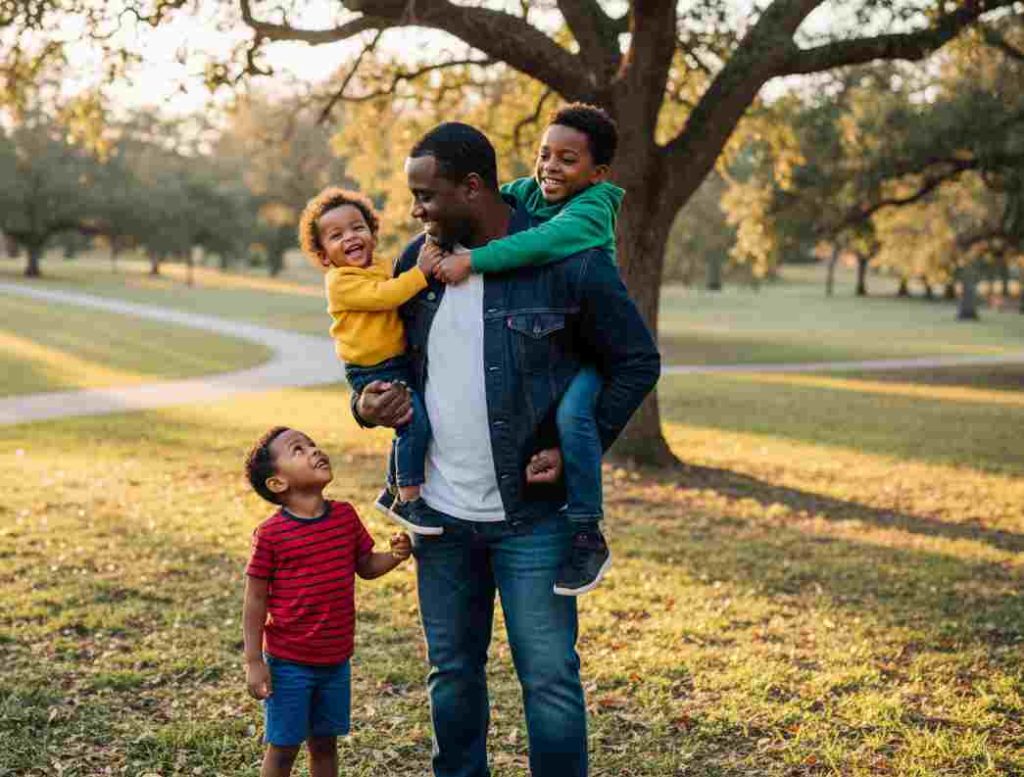
Society often presents heterosexual men with clearer, socially recognised life scripts or milestones — marriage, fatherhood, a steady career — that can turn ageing into a marker of earned status and success. This spin can soften the emotional burden of ageing by interpreting visible signs of maturity (greying hair, lower energy) as proof of responsibility and achievement.
Research indicates that as men age, the importance they place on physical appearance tends to decline. This shift suggests that ageing men often rely less on appearance as a primary basis for self‑evaluation (Quittkat et al., 2019)2.
Trend is not universal; context matters
This pattern is, however, not universal, shaped by class, race, geography, and other structural factors. Evolving gender roles also mean fewer men follow traditional pathways, and those changes can create challenges that resemble the experiences of some gay men.
Some straight men may also experience unique hardship, interrupted careers, or family breakdowns that can undermine the “ageing as achievement” narrative.
Relatable personal story:
John is a 55-year-old straight man whose story reflects that of many others. In his 30s, he felt lost after a career setback, but getting married and building a family changed everything. “Watching my kids grow and rely on me gave me a purpose I never had in my youth,” he shared in a Reddit thread about men starting over.
As his grey hairs appeared, his promotions at work and milestones like his daughter’s wedding boosted his confidence, cushioning the impact of noticing signs of ageing.
“Ageing? It’s just another chapter where I feel more like the hero,” John reflected.
2. Ageing and Body Image Anxiety In Gay Culture
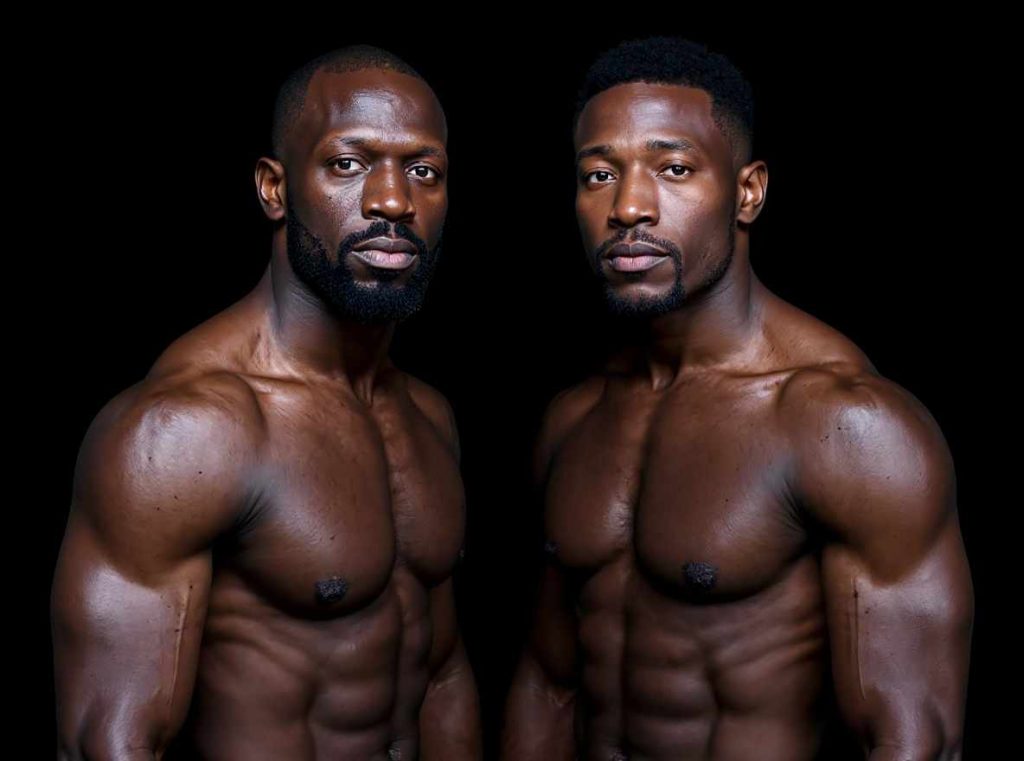
Compared to straight men, gay men have often lacked the same cultural scripts and structures (marriage, children, career, etc), so many have placed greater weight on physical appearance as a primary source of social validation.
Cultural and historical factors have moulded a unique community for gay people where youth and attractiveness often become primary sources of self-worth.
Why Gay men worry more about their bodies and appearance as they age:
- Exclusion from Traditional Paths:
- Until recently, and still only in very few places, marriage and fatherhood were largely inaccessible to gay men due to legal and social barriers. Without these milestones to rely on for lasting self-worth, many gay men have had to forge alternatives.
- Youth-Centred Culture:
- The gay scene—bars, clubs, apps—often prioritises physical allure, influenced by media that glorify young, fit bodies. This can make ageing feel like a loss of status, as the community has historically valued sexual potency and appearance above most, if not all, things.
- Appearance as Currency:
- Research suggests gay men, on average, report greater body dissatisfaction and stronger internalisation of appearance ideals than heterosexual men, with body dissatisfaction being more strongly linked to self-esteem in gay men (Yean et al., 2013)4.
- Lack of Ageing Role Models:
- The AIDS epidemic in the 1980s and 1990s decimated a generation of older gay men, creating a “missing generation” of mentors. This loss reinforced a youth-centric focus, leaving many without examples of graceful ageing within the community.
Relatable personal story about gay ageing:
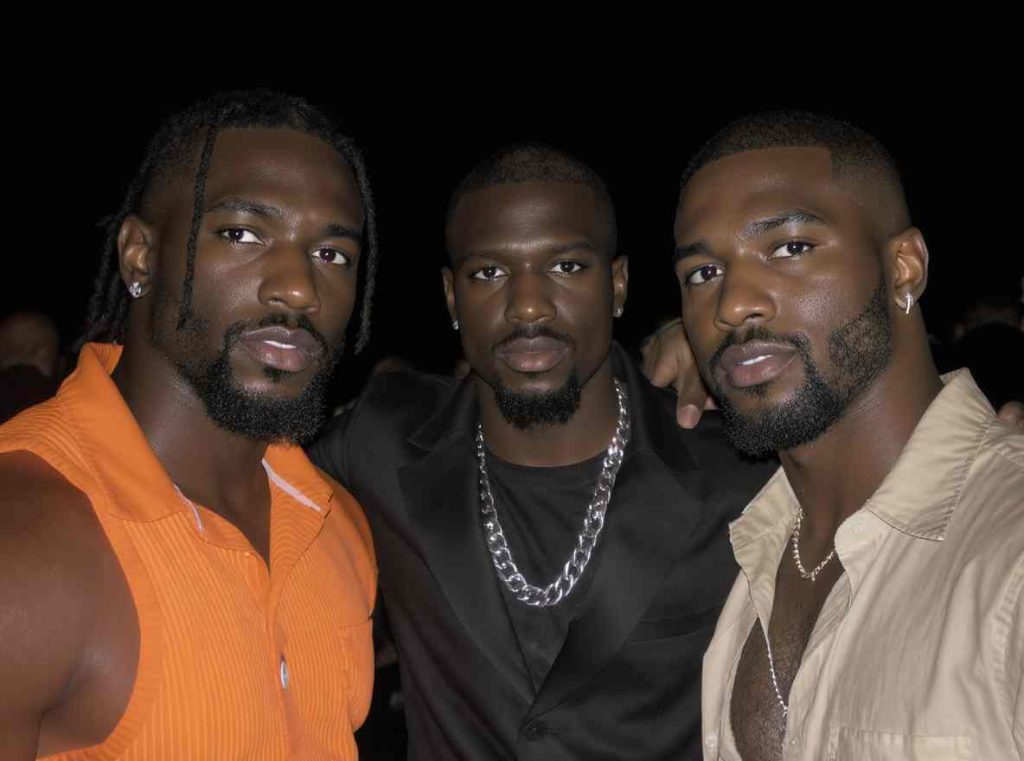
Carlos is a 38-year-old Latino gay man living with HIV whose story captures this struggle. In a Medium article, he writes about how his gym-sculpted body became his shield against stigma, but ageing brought waves of insecurity.
“I built this body to feel desired, but now wrinkles and fatigue make me question my place in the community,” he confessed.
Having survived the shadows of AIDS, Carlos grapples with body dysmorphia, feeling invisible in a youth-obsessed scene. Yet, he’s finding solace in advocating for “everyday bodies,” turning pain into purpose. His vulnerability highlights the emotional cost when appearance is the main marker of worth or value.
Another heartbreaking narrative comes from AIDS survivors in San Francisco. One man, profiled in the Chronicle, lost friends and mentors to the epidemic, leaving him to age without guidance.
“I survived HIV, but now at 60, I feel like an outsider in my own community—too old to be desirable, too scarred to fit in,” he shared.
The grief from the “missing generation” amplifies his isolation, but community support groups offer hope, showing resilience amid loss. It’s a poignant reminder of how cultural voids can intensify the challenges of ageing.
Gay men in other locations:
Kwame is 62, moved from Accra to Lagos for work in his thirties, and now mentors younger queer writers remotely across West Africa. He remembers losing friends in the 1980s and how secrecy shaped relationships, yet he also benefits from steady family land ownership that allowed him to retire early. His ageing priorities are cultural continuity and dignity: teaching younger men to archive oral histories, finding privacy-safe ways to host small, queer workshops, and pushing for healthcare discussions that respect local norms.
Kwame’s experience shows that gay men age within the realities of their own histories, laws, and personal assets—so there is no single “gay ageing script” that applies to everybody.
The Gay Man’s Luck—or Not?
There is a common belief that gay men “age like fine wine,” often supported by observations that many gay men prioritise skincare, fitness, and have fewer parenting demands, and, sometimes, more disposable income for self-care. Research (as mentioned earlier) confirms stronger appearance-based expectations in gay social circles, which, in turn, can increase devotion to grooming and gym habits.
However, this perceived “luck” of a gay man’s youthful looks often does not tell the full story. There is some evidence that minority stress may be accelerating biological ageing beneath the gay man’s outward glow. The intense effort to maintain youth also reflects the pressure of navigating an age-obsessed community.
Minority Stress may be causing some gay men to age faster:
Minority stress—the constant pressure of dealing with stigma and discrimination—has been linked to accelerated ageing in gay men. This chronic stress causes the sustained release of stress hormones like cortisol, which weakens the immune system over time, increasing vulnerability to health issues. This, along with cultural pressure to stay youthful, can make ageing happen faster and feel harder for gay men compared to their straight peers (Rivera et al., 20243; Frost and Meyer, 2023)1.
One study found that gay men had significantly shorter age-adjusted telomere length—a biomarker for biological ageing—compared to straight men (Rivera et al., 2024)3. This finding is potentially linked to minority stress as well, although research is still preliminary.
3. Building Healthier Ageing for Every Man
The disparity between how straight and gay men experience ageing mostly boils down to social capital: Straight men often exchange physical youth for family and career gains, while gay men may hold on to their appearance longer due to cultural and historical gaps.
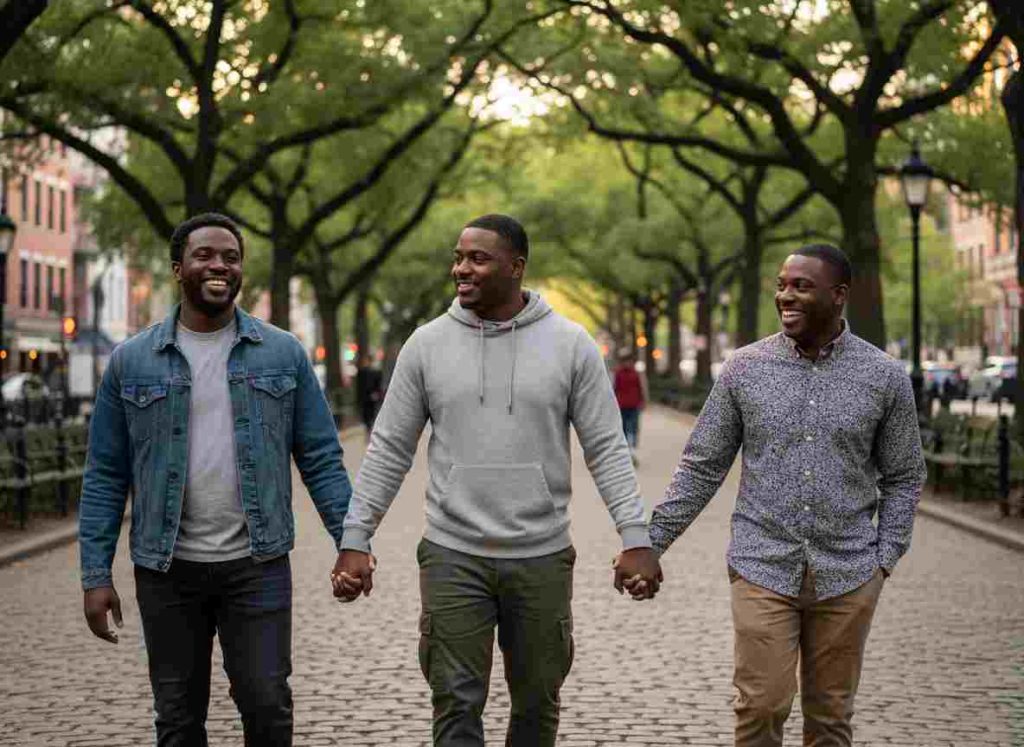
But with the legalisation of same-sex marriage in more places and more gay men choosing to prioritise visibility and build alternative sources of meaning—e.g., through mentorship, activism, chosen family, or a broader sense of beauty—new paths for confident ageing are emerging.
The DNB Stories Africa Ageing Manifesto for Queer Men
| Point | Tip | Description | Action Steps |
|---|---|---|---|
| 1 | Build Diverse Worth | Cultivate rewarding hobbies/chosen-family ties so worth isn’t tied to youth or appearance. | Identify 2–3 weekly hobbies; join an LGBTQ+ book club; nurture chosen-family connections. |
| 2 | Queer‑Sensitive Mental Health | Use therapy and peer support to address minority stress, body-image and ageing anxieties. | Book an LGBTQ+-affirming therapy session; 10 min daily mindfulness; join queer support groups. |
| 3 | Examine Cultural Influences | Reflect on intersectional norms shaping ageing and actively resist negative stereotypes. | Read queer voices or blogs; join a discussion group; counter stereotypes on social media. |
| 4 | Holistic Physical and Sexual Health | Maintain mobility, energy and sexual health through movement, nutrition and screenings. | 30 min walk, 5×/week; consult a queer-friendly clinician; schedule sexual-health checks. |
| 5 | Intergenerational Connection | Build reciprocal links with younger queer men to share wisdom and reduce age segregation. | Volunteer as a mentor; host or join intergenerational events; model care and consent. |
| 6 | Share Your Story | Practice vulnerable leadership by telling your story and building inclusive spaces. | Write or record a personal story for sharing; run/attend a meetup on ageing; help create safe spaces. |
Rewarding hobbies benefit gay men by reducing stress and creating a sense of accomplishment and opportunities for creative expression, and social connection. E.g.:
dnbstories.com 🌹
i. Creative arts: painting, writing, photography — boost self‑expression and meaning.
ii. Hands‑on crafts: cooking, gardening, DIY — provide focus, practical results, and tactile calm.
iii. Physical pursuits: walking, hiking, weight training, dance — improve mood, energy, and body confidence.
iv. Skill learning: playing an instrument, studying a language, coding — build mastery and long‑term achievement.
v. Social hobbies: group classes, book clubs, team sports — expand connection and belonging.
Share your thoughts in the comments: how has culture influenced the way you think about ageing?
Daniel Nkado is a Nigerian writer, editor, and author best known as the founder of DNB Stories Africa, a digital platform covering Black stories, lifestyle, and queer culture.
References
- Frost, D. M., & Meyer, I. H. (2023). Minority stress theory: Application, critique, and continued relevance. Current Opinion in Psychology, 51, 101579. https://doi.org/10.1016/j.copsyc.2023.101579
- Quittkat, H. L., Hartmann, A. S., Düsing, R., Buhlmann, U., & Vocks, S. (2019). Body dissatisfaction, importance of appearance, and body appreciation in people over the lifespan. Frontiers in Psychiatry, 10, 864. https://doi.org/10.3389/fpsyt.2019.00864
- Rivera, A. S., Chao, C. R., & Hechter, R. C. (2024). Disparities in Telomere Length by Sexual Orientation in Adults from the Genetic Epidemiology Research on Aging Cohort. American Journal of Epidemiology. https://doi.org/10.1093/aje/kwae352
- Yean, C., Benau, E. M., Dakanalis, A., Hormes, J. M., Perone, J., & Timko, C. A. (2013). The relationship of sex and sexual orientation to self-esteem, body shape satisfaction, and eating disorder symptomatology. Frontiers in Psychology, 4, 887. https://doi.org/10.3389/fpsyg.2013.00887