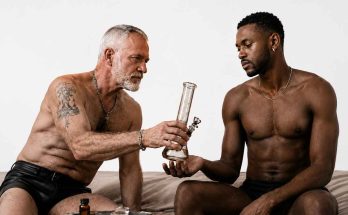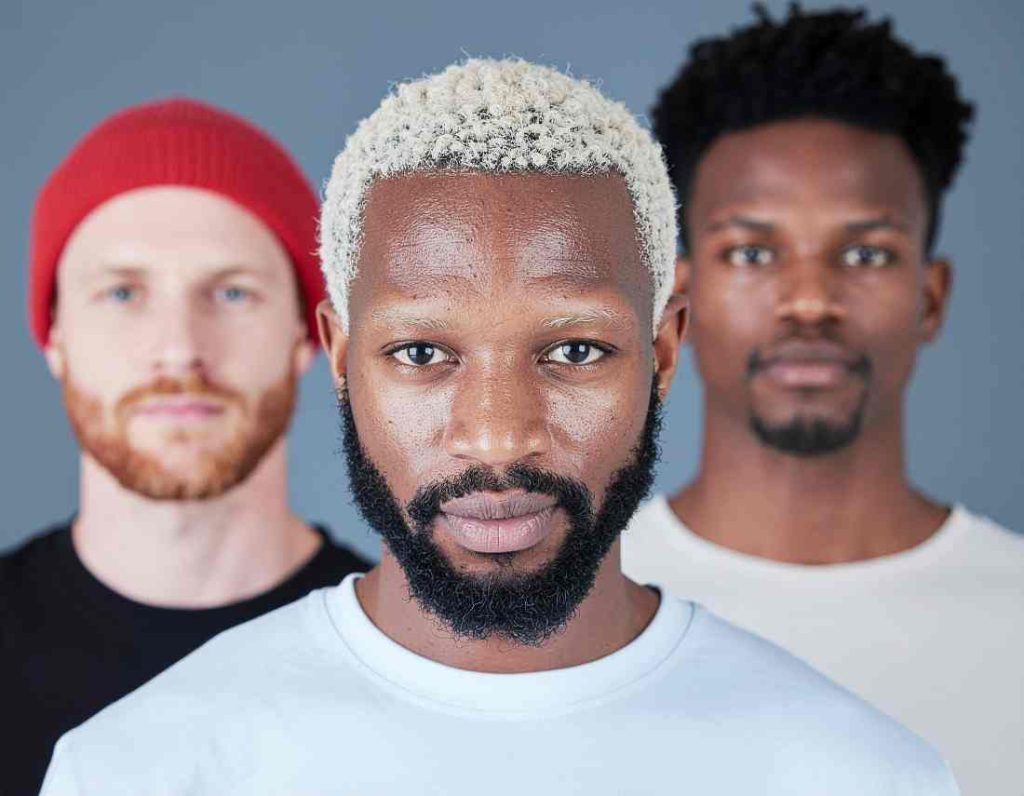
As Black gay men, we navigate a world layered with intersecting oppressions—racism from broader society and homophobia within our own racial communities. Knowing this, one would think that any gathering of two or more Black gay men would be the very definition of peace, healing, and security.
Yet, there have been far too many scenarios where this is not the case. It is heartbreaking to see brothers carrying wounds inflicted by their own kin. In this harsh jungle we call society, we are like antelopes—hunted by numerous predators.
But a terrifying question remains: If I survive the lion’s chase and approach my kin for water, must I now fear the poison?
Black Gay Men and The Stigma We Feed
Stigma isn’t just something imposed on us by the outside world; it is something we often perpetuate among ourselves, whether consciously or not. This self-inflicted harm creates a vicious cycle: we internalise negative stereotypes, project them onto each other, and ultimately undermine our own well-being.
Drawing from community narratives and psychological research, this article explores how we contribute to this stigma and why it boomerangs back to damage our mental health, relationships, and collective progress.
How We Internalise and Redistribute Stigma
Minority Stress is not just a buzzword; it is a chronic mental stress intensified for those navigating multiple marginalised identities (Meyer, 2003)[3].
a. The Root—A Unique Mental Burden
Being Black and queer means we face a unique type of mental strain. The intersection of anti-Blackness and homophobia creates a heightened level of chronic stress that is difficult to recognise, let alone manage. Add immigration stress to the mix for Black gay men relocating, and we are talking a triple threat.
A striking example of this is the underlying mechanism behind code-switching—”toning down” Blackness in white queer spaces and “butching up” around Black family or friends. The mental gymnastics required to power this constant “live edit” leave us no cognitive room to process the root cause of our pain.
b. The Product—Absorbed Poison
We are bombarded with negative messages about our existence almost daily. We don’t just hear them; we absorb them. Due to the cognitive exhaustion discussed above, we often lack the energy to recognise these biases or actively counter them. Slowly, we make room for them, processing them as truth, one yarn after another.
c. The Manifestation—Shame, on Ourselves and Our Fellow Brothers
We begin manifesting this stigma-as-truth internalisation in two destructive ways: first, we turn the shame inward on ourselves, and then we project it outward onto our brothers.
- Self-Policing—Shame on Ourselves: 🧍🏾
- We begin to monitor our own behaviour, speech, or appearance to distance ourselves from negative stereotypes. This is often called code-switching—stripping away our authenticity to perform according to the demands of the space we are in. We strive for “respectability” in white settings and put up a “straight-acting” performance for Black friends (Fields et al., 2015). We become our own harshest critics, withholding compassion from ourselves and, over time, forgetting how to extend it to others.
- Lateral Violence—Shame on Our Brothers: 🧑🏿🤝🧑🏾
- When we feel powerless against the “lions” outside, we turn our frustration inward. We direct prejudice toward others within our own community, policing those who are “more” queer, “more” feminine, or “more” Black. By attacking them, we unconsciously seek proximity to mainstream acceptance, hoping that if we separate ourselves from “those” kinds of gays, we will be safe.
The Reality of It—Community Fragmentation
By engaging in self-policing and lateral violence, we fracture the very community we need for survival. It is like a man whose house has been invaded by rats; instead of finding an effective way to remove the rats, he decides to set the entire house on fire.
Forms of Stigma We Perpetuate Among Ourselves
We promote stigma in subtle and overt ways, often without realising it, echoing the biases we’ve absorbed. This results in individual isolation and the breakdown of community solidarity essential for collective well-being.
1. Idealising Straightness
Many homophobic attitudes gay men have historically faced stem from the belief that heterosexuality is the “default” or ideal sexual orientation, making all others “frauds.”
Instead of joining forces to build strong foundations of support and visibility, we often find ourselves chasing the very straightness that rejects us.
This gives rise to specific harms in Black gay communities:
- Proximity to Straightness as High Status:
- Gay men say, “all my friends are straight”—to brag, fortifying the message that gay people are less valuable.
- Straight Performance as Top Compliment:
- Saying “he acts like a straight man” as the ultimate praise. This implies that the gay lifestyle is shameful.
- Judging Macho Performance as Premium:
- When we reward performance over authenticity, we send the message that our true selves are not worthy of public presentation. Instead of embracing our diversity, we water the same thorns that prick us.
- Femmephobia/Masc Sergeant:
- Enforcing rigid, hyper-masculine norms, where softness or vulnerability is seen as weakness. This leads to performance and casts a thick cloud of shame over the entire community.
The Impact: Why This Hurts Us
- It forces Black gay men into a state of constant performance to retain status.
- By putting straightness on a pedestal, we diminish gay culture and history as “low-grade”. In chasing acceptance, we rob ourselves of the joy and richness of our own community and what we represent.
- If “I didn’t know you were gay” is interpreted as high praise, then the real goal is to fade into invisibility. A community that wants to disappear cannot fight for its survival.

2. Re-enactment of Racialised Stereotypes
Instead of resisting harmful stereotypes, some Black gay men inadvertently reinforce them, replaying historical traumas in our dating lives.
- The “Buck” and “Brute” Rebrand:
- Prioritising the “Dominant/Aggressive Top” label mimics the slavery-era caricatures that depicted Black men as hypersexual, aggressive, and lacking mental faculties.
- Anti-Intellectualism:
- Dismissing Black gay men with academic success as “talking white” reflects a lingering legacy of anti-literacy laws during slavery, which framed Black intelligence as dangerous. By mocking intellectual expression, we uphold the colonial narrative that Black men should be valued only for their bodies, not their minds.
- Auction Block Dynamics:
- When we pay no attention to minds and are only interested in “hot bodies” or rugged masculinity, we replay the dynamics of the slavery auction block where brothers stood and got priced for their bodies.
The Impact:
When we view bodies as our only valuable asset, we contribute to the absence of Black queer figures in core positions of leadership and policy—places where intellect and strategy are needed to make our lives better.
3. HIV/AIDS Stigma and Health Shaming
Perhaps the most damaging stigma is the weaponisation of health status.
- The Language:
- Using terms like “clean” to describe HIV-negative status implies that our brothers living with HIV are “dirty.”
- The Gossip:
- Shaming those who are open about their status or gossiping about seeing someone’s medication.
- Anecdote: A friend once gossiped to me about his “best friend’s” meds. I told him, “Tell your friend yourself and apologise, or I will tell him myself.” We must hold each other accountable.
- Shaming those who are open about their status or gossiping about seeing someone’s medication.
- Chemsex Stigma and The “Junkie” Tag:
- White queer spaces usually dismiss chemsex as “partying too hard,” while Black gay men often quickly label a user “junkie” or “crackhead.” Fear of association leads us to strip users of dignity—avoiding contact and gossiping about their “fall off,” instead of providing support that could save lives. We conceal our own use to avoid any association.
The Impact:
The perpetuation of a health-related stigma can be very dangerous, as it could cost lives. Stigma is a primary barrier preventing Black men from getting tested or seeking timely treatment for treatable conditions. This situation significantly contributes to higher morbidity and mortality rates for Black gay men (Earnshaw et al., 2013)[1].
4. The “Down Low” (DL) Dilemma
While the “Down Low” phenomenon is often sensationalised by the media, the community internalises it as a mix of fetishisation and shame.
- The Fantasy:
- Romanticising secrecy as “masculine mystery” while viewing open vulnerability as weakness.
- The “Poser” Phenomenon:
- Men on apps with “DL” as their username, believing this label elevates them above “other gays,” even those they might be more popular than. It creates an endless loop of performance and lying just to fit a label that brings attention.
- The Chasers:
- Men who specifically seek out DL partners often crave the validation of being with someone who “passes” as straight, reinforcing their own internalised homophobia.
The Impact:
In hostile environments, being DL is a necessary survival strategy. However, “DL posers” in safe environments prioritise the performance of secrecy over honesty. This reinforces the idea that being openly gay is shameful, creating a false hierarchy and trapping men in emotional isolation where genuine, sustainable relationships cannot grow.
Black-on-Black Stigma in African and Diaspora Contexts
Within African, Caribbean, and Black immigrant communities, queerness is often framed not just as a taboo, but as a betrayal of one’s identity or family lineage/ancestry.
In some African homes, homosexuality is branded “Un-African,” “a Western import,” or “a spiritual contamination.” When Black gay men from these contexts meet—whether in Lagos, Kingston, London, or New York—they don’t arrive neutral. They arrive carrying the invisible weight of their families’ eyes—cultural surveillance that often gets turned inward.
- Cultural Gatekeeping:
- Policing of each other with phrases like, “You’re embarrassing us,” or “Don’t act like that in public.” The difference is treated as a risk to the collective reputation.
- Hyper-Respectability as Survival:
- For immigrants, the pressure to “make it” is immense. Fear of acting “too gay” in a new country and the threat of jeopardising one’s chances leads to policing femininity or loudness.
- Silence as Loyalty:
- Many are taught that protecting the family name matters more than personal truth. This produces men who shame visibility and activism, viewing silence as the only dignified option.
- Diaspora Comparison Culture:
- Instead of solidarity, we create micro-hierarchies based on accent, passport privilege, and class. Instead of building a new family in a new location, we build fences. Tall ones.
The Impact:
Black-on-Black stigma in African and diaspora communities has serious consequences. It can worsen mental health, leaving many to battle anxiety, depression, and isolation in silence. This type of stigma also contributes to widening health disparities by creating fear of judgment that pushes people away from testing and treatment (Jeffries et al., 2012)[2]. It fractures solidarity, replacing unity with cultural policing and comparison.

The Way Forward: From Survival to Sovereignty
Ending stigma takes more than just awareness. It requires a fundamental shift in how we operate: moving from a mindset of survival—policing ourselves and each other to avoid harm—to a mindset of sovereignty: owning our identities without apology.
Here is the roadmap to breaking the cycle:
1. Internal Auditing
The next time a judgmental thought comes up in your head—about a brother’s hair, his voice, his choice of clothing, choice of music, or his status—pause for a moment and ask yourself: Is this from me or is it what I have learned?
Recognise that your reflex to cringe often comes from the “deputy police” inside you, trying to enforce rules you never questioned and don’t even know the origin of.
2. Liberate Your Desire
Our desires should come from within—not from scripts imposed by society. If external narratives dictate who you find attractive, you’re not free. Stop treating proximity to whiteness or straightness as the gold standard of beauty. And if your “type” requires someone else to feel small, it’s not a preference—it’s prejudice.
3. Reclaim the Lineage
As Black gay men, especially those of us of African origin, we need to actively release the “betrayal” narrative that suggests our queerness is hurting the race or family.
Remind yourself and others that queer people have always existed within Black communities as healers, artists, and warriors. We are not evidence of cultural collapse; we are evidence of cultural continuity and resilience. We are not a Western import; the homophobia is.
4. Understand that Vulnerability is Strength
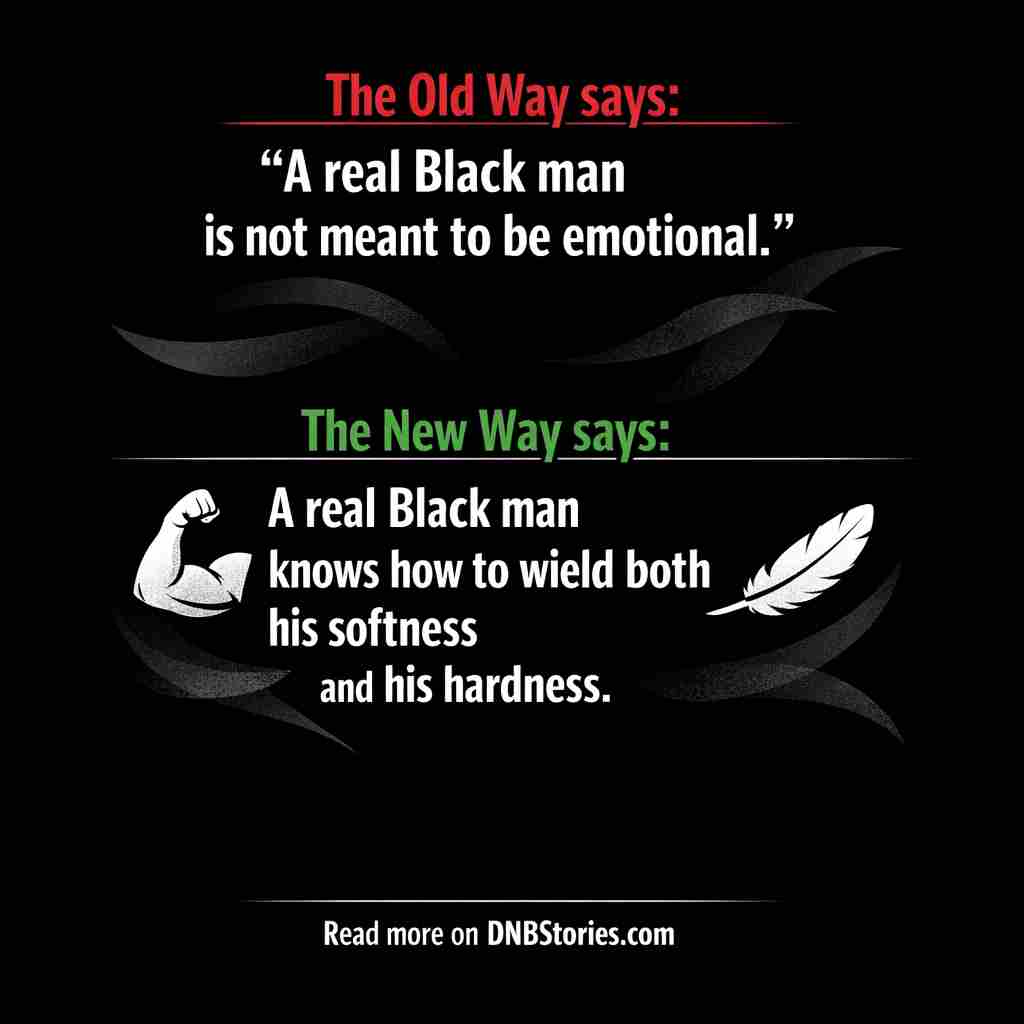
- The Old Way says: “A real Black man is not meant to be emotional.”
- The New Way says: “A real Black man knows how to wield both his softness and his hardness.”
A man who can navigate his range of emotions is not weak; he is intelligent.
Emotional Intelligence (EQ) is the ability to recognise, understand, and manage your own emotions while also perceiving, interpreting, and influencing the emotions of others. It’s a crucial skill for making better decisions and achieving success as it provides a link between intellect and social competence.
5. Protect Your Own—Always!
Drop the “Clean/Dirty” language regarding HIV, including the gossip about meds and clinic visits.
We all log into Grindr and complain, “Black men are so few here”—What if we have killed them all?
Discard language that implies our positive brothers are contaminated. Instead, use the language of mutual care:
- “What’s your testing routine?
- Want us to go to the clinic together?”
6. Reward Honesty and Authenticity Over Other Things
Realise that a brother who is honest about his status, his role, his body, his fears, his drug use—is protecting you more than a brother who is hiding it.
When someone shows you their real self, celebrate them over Oscar-level performers.
7. Start Recognising and Celebrating Black Queer Joy
We must stop bonding only over trauma. Intentionally celebrate Black queer joy whenever you see it—celebrate the promotions, the milestones, and the quiet Sunday mornings. See an articulate brother winning in his field? Hug him and praise him. Let’s learn to start hugging each other more, please. I miss all the hugs I used to get in Nigeria. Why are we not hugging more in the UK?
8. Teach the Kids
See a younger one looking confused and lost? Do not ignore him. Call him close and teach him to choose freedom always. Teach him the power of individuality—that it is okay to carve out his own path. Tell him that: Being Black ≠ DL or Dominant Top.
We have to break that equation for them. Otherwise, he will never find what is truly him. He will live his life performing a script, and the next time he tries something different or authentic, he will feel “off,” thinking he has failed at being a Black man.
Conclusion: The Water is Ours!
The stigma breaks when we stop acting as the “deputy police” for a hostile world. We must refuse to treat each other as targets, competition, or risks—and choose instead to treat one another as kin.
We have survived the lion’s chase long enough. Now, it is time to reject the internalised shame that divides us and embrace our full spectrum—masc and femme, dark and light, HIV-positive and HIV-negative, soft and hard, “classy” and “hood.” Unity isn’t about all being the same—it’s realising our diversity is the Super Glue™ that bonds us together.
Across continents—from Atlanta to Accra, London to Lagos—this work matters. When we finally stop poisoning the well, we realise the truth that was there all along: The antelope does not need to fear the herd, especially not when he has been running his whole life. The water is ours—let’s drink together!
References
- Earnshaw, V. A., Bogart, L. M., Dovidio, J. F., & Williams, D. R. (2013). Stigma and racial/ethnic HIV disparities: Moving toward resilience. American Psychologist, 68(4), 225–236. https://doi.org/10.1037/a0032705
- Jeffries, W. L., Marks, G., Lauby, J., Murrill, C. S., & Millett, G. A. (2012). Homophobia is Associated with Sexual Behavior that Increases Risk of Acquiring and Transmitting HIV Infection Among Black Men Who Have Sex with Men. AIDS and Behavior, 17(4), 1442–1453. https://doi.org/10.1007/s10461-012-0189-y
- Meyer, I. H. (2003). Prejudice, social stress, and mental health in lesbian, gay, and bisexual populations: Conceptual issues and research evidence. Psychological Bulletin, 129(5), 674–697. https://doi.org/10.1037/0033-2909.129.5.674