The Rise of Online Homophobia in West Africa
A queer Nigerian man in London posts a Pride video of himself and his new partner on Instagram. He’s shirtless, smiling, singing along to Afrobeats, wrapped in a flag he was never allowed to touch back home. The caption reads: “Living my truth.”
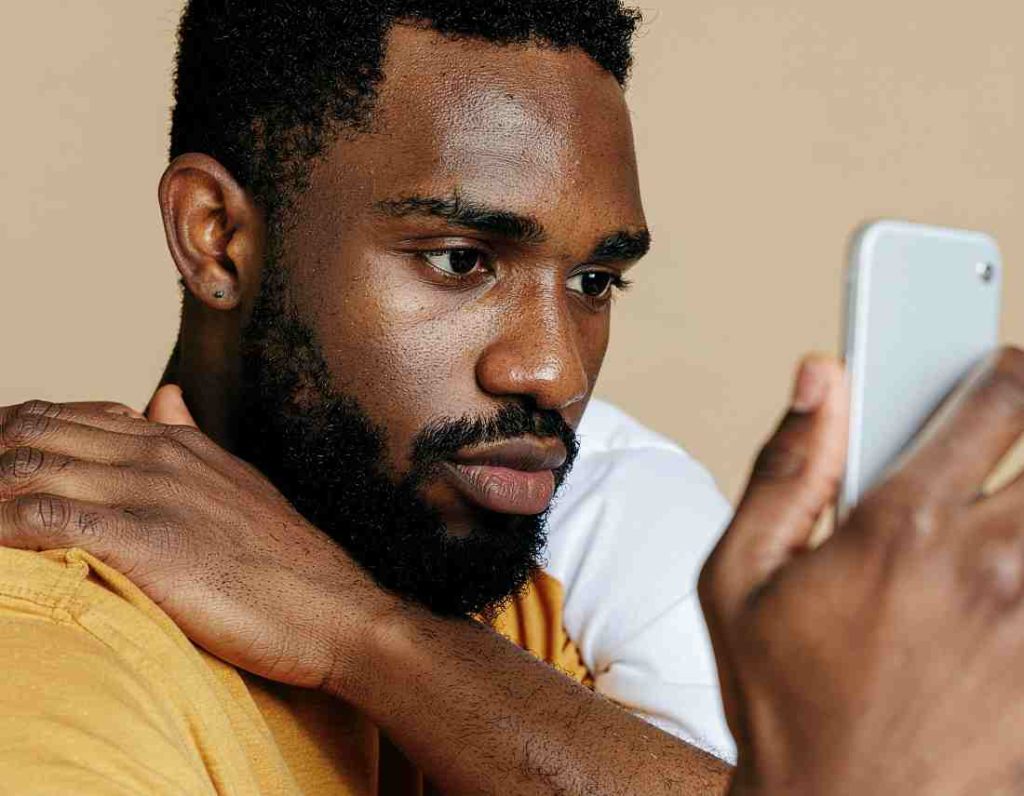
Hours later, the same video pops up on a cracked phone screen in Lagos. The viewer is alone, the door is locked, and the volume is turned down. They are not watching with envy, but with anxiety.
Tomorrow, someone might repost that same picture on Nairaland with a sneer: “These gays are growing more and more guts by the day.” Then the comments will follow—mockery, threats, calls for punishment. Screenshots will circulate. And what began as joy abroad will quietly mutate into danger at home.
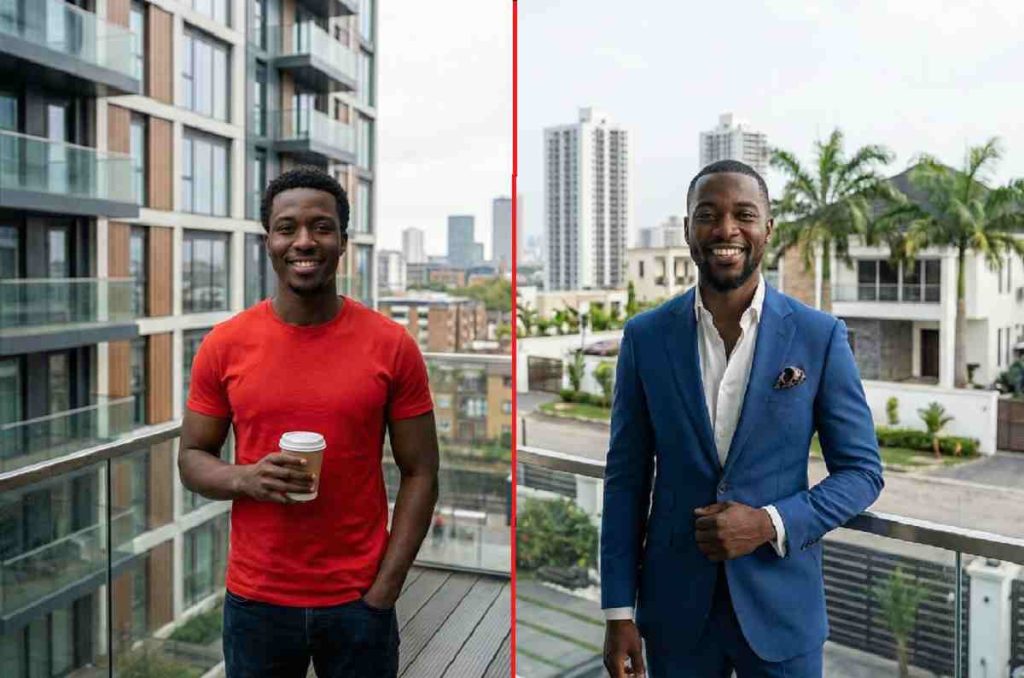
This is the Diaspora Disconnect: a growing tension within Black queer communities between Leavers—those who migrate for safety—and Remainers—those who stay. Migration can protect, but it also deepens class divides where some Leavers overlook how hyper‑visibility abroad can intensify homophobia and endanger people back home (Kupemba, 2025)[5].
Japa Syndrome and LGBTQ Identity: The Diaspora Disconnect
“Japa”—a Yoruba slang meaning to flee or escape—describes a migration trend of young Nigerians to developed nations in search of better opportunities, security, and quality of life.
The Luxury of Gay Nigerian Migration
Gay Nigerians mostly “japa” to escape criminalisation and violence and to find safety and freedom abroad. But migration is a privilege only a few can afford: relocating via a UK study route can cost up to £25K for both tuition and living (British Council, 2024)[1]. In a country where minimum wage barely covers basic needs, this financial barrier excludes most working-class queer people.
Beyond tuition and travel costs, queer migrants often struggle to settle in new countries—facing loneliness, cultural differences, job insecurity, and restrictive immigration laws. This creates a hierarchy of escape where only those with money, foreign currency, scholarships, or networks can leave, and the majority who are unable to buy their safety remain (Bhugra & Becker, 2005)[1].
Leavers—Visibility as Healing
Leavers are not villains; they are people who may have fled violence, threats to life, and family rejection to survive. For many, high visibility in safer countries is a necessary part of healing—a public affirmation that their escape was worth the cost. Research shows that past trauma can lead LGBTQ immigrants of colour to overcompensate with hyper-visibility or aggressive activism, sometimes inadvertently increasing risk for others. Most are trying to heal, not to endanger (Skinta & Nakamura, 2021)[7].
How Diaspora Visibility Actions Put Lives at Risk Back Home
Even well-meaning posts or careless choices can turn into real-world danger for those who never left.
Here’s how:
1. Digital Recklessness
- The Throwback Trap: A nostalgic photo from university days, captioned “Miss my gang,” becomes a “kito” hit list. Facial recognition or simple tagging exposes friends still living in Lagos or Accra to danger.
- Geo-Tagging Safe Spaces: Posting a story about a secret bar or community centre burns the underground network. Even if the venue moves, raids can still follow.
- Unscrubbed Metadata: Screenshots of private WhatsApp chats shared online without blurring numbers or faces could lead to mass doxxing (malicious reposting)—and mass fear.
2. Wealth Signals/Ostentatious Display
- The Rich Friend Assumption: Glossy photos of brunches and clubs abroad paint a target on locals. Criminal groups assume: “Your friend is in London—tell them to send £500, or we leak your nudes.”
- Increased Hatred: Lavish diaspora lifestyles fuel the “Western import” narrative about queerness, intensifying stigma and persecution.
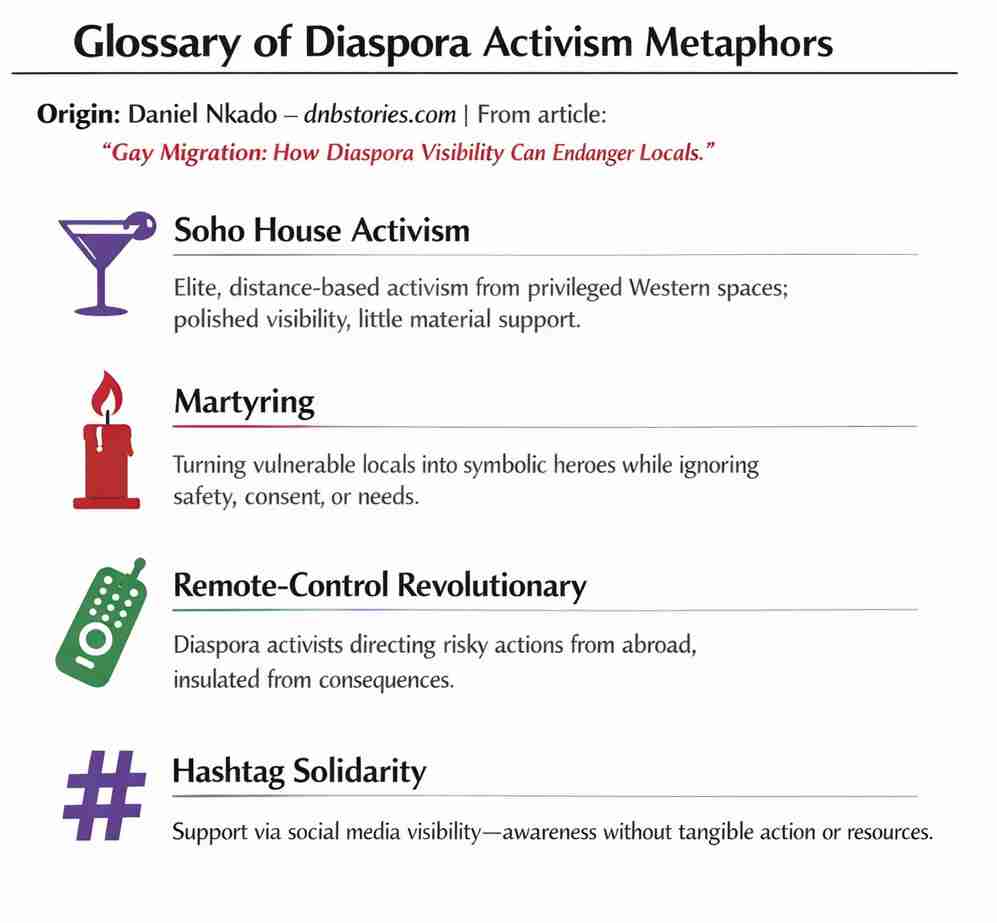
3. Soho House Activism
- Remote-Control Revolutionaries: Diaspora voices tweet: “March! Protest! Be loud!”—from the safety of London or NYC. Back home, silence is survival. Polished activism with little thought triggers crackdowns and escalates gang activities.
- Launching Needless Online Wars: Lashing out at every act of homophobia instead of being strategic, forgetting that your freedom in New York City could leave others at home sleepless with anxiety.
- Western Import Narrative: When the loudest voices for African queer rights shout from abroad, it feeds propaganda: “Homosexuality is a foreign ideology.” Indigenous queer lives bear the brunt.
4. Emotional Toll
- Survivor’s Arrogance: Advice like “Just call the police!” ignores the reality that police are the predators too. Reckless guidance costs lives.
- The Japa Brain Drain: When all the elders leave, the community left behind is young, exposed, and without the wisdom to survive persecution.
5. The Tourism Trap: Detty December
- Holiday Returns: Leavers fly back for “Detty December” with Western partners and aesthetics—piercings, dyed hair, Oxford Street PDA. They leave in January, some on the first, but the locals stay behind to face the stigma and scrutiny that follow.
6. Hyper-Visibility as Provocation
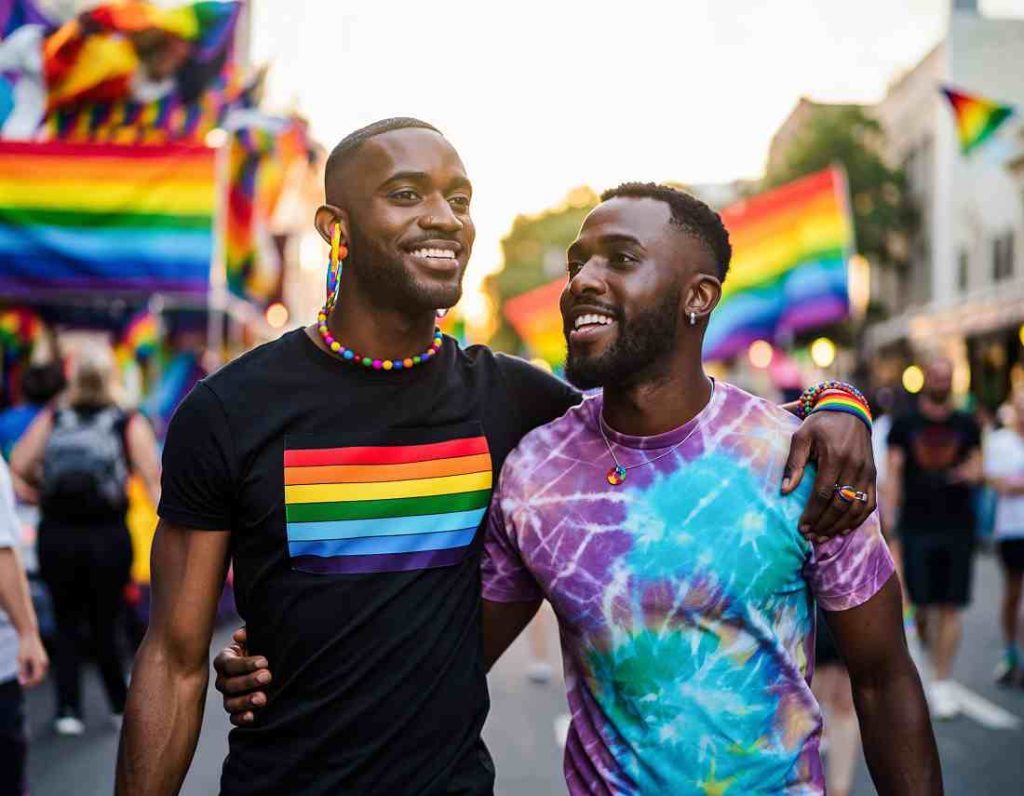
Super-visible LGBTQ+ life abroad—often read as insulting cultural norms—can provoke anger and moral panic in homophobic Nigerians who weaponise it into scapegoating, retaliatory harassment and violence against those at home (Brown, 2023)[3].
7. Hashtag Solidarity and Audio Support
LGBTQ+ diaspora life can look glamorous online, masking deeper diaspora issues like loneliness, discrimination, housing issues, and the pressure to send money home. The disconnect widens when high-engagement solidarity fails to translate into material support—bail funds, medical and crisis care—for victims of violence back home. From the outside, it simply looks like the Leavers are using homeland suffering for social media content (Kachi, 2023)[6].
8. ‘Martyring’
One of the most dangerous dynamics of Diaspora Disconnect is martyring—the practice of using the names, faces, or stories of people who remain in hostile environments to push high‑risk advocacy campaigns without their informed consent or a clear assessment of the dangers. The Leaver gets the applause for “amplifying queer voices”; the Remainer becomes the target of kito groups, state surveillance and social reprisals.
Digital Safety for Activists: How To Prevent ‘Martyring’:
There’s a gap between diaspora activism and realities on the ground. Ensuring the digital safety of local activists means knowing when amplification is helpful and when it is endangering.
- Get Full Consent: Confirm understanding of risks and agreement to participate.
- Gauge Risk: Consider local hostility and backlash before involving others.
- Anonymise: Use pseudonyms, blur faces, and remove identifiers.
- Offer Resources: Share digital security, emergency contacts, and safe advocacy information.
- Honour Boundaries: Respect all refusals to participate without pressure.
Diaspora Visibility Increases LGBTQ Asylum Problems
Settled queer migrants often embrace hyper‑visibility as a way to heal, celebrate freedom, and soften the ache of missing home. But this visibility, while empowering, can unintentionally create more problems for newly arrived LGBTQ+ asylum seekers.
Research shows that UK asylum decision‑makers frequently rely on Western‑coded markers—links to LGBTQ+ organisations, participation in the “gay scene,” and visibly social networks—when assessing credibility. This forces newcomers who survived by hiding to perform Western-style queerness just to be believed (Greatrick & Fletcher, 2021)[4].
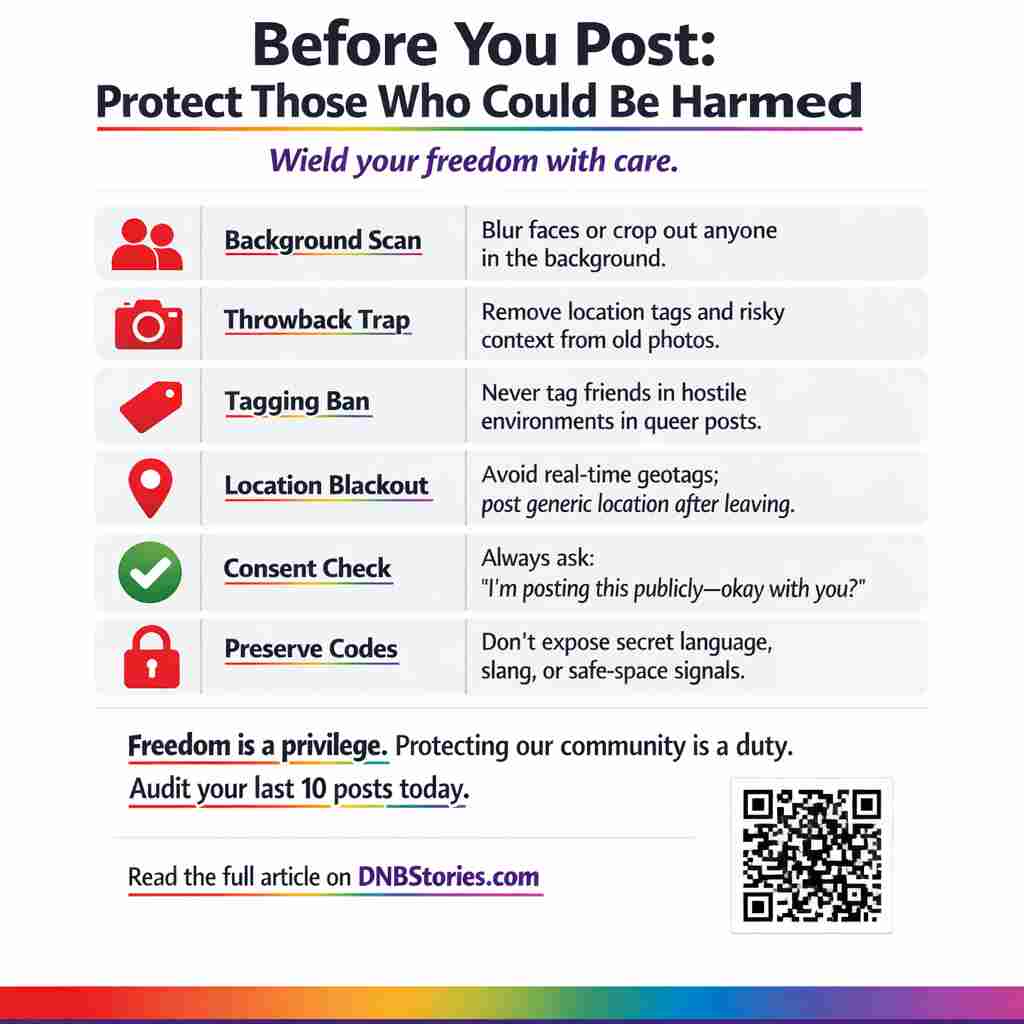
Safety Online-Posting Checklist for Diaspora Gay Men:
The practice of Disciplined Queer Visibility involves aligning the celebration of joy and identity with intention and awareness, ensuring that personal freedom does not create danger for others.
- 👥 Background Scan:
- Is there anyone in the background?
- Action: Blur faces or crop them out.
- 📷 Sanitise Throwback:
- Old photos can resurface as evidence.
- Action: Remove location tags and any risky context.
- 🏷 Tagging Ban:
- Never tag friends in hostile environments in queer posts.
- Action: Share privately via DM instead.
- 📍 Location Blackout:
- Real-time geotags = real-time danger.
- Action: Post the generic location after leaving.
- ✅ Consent Check:
- Ask before posting. Always.
- Action: “I’m posting this publicly—okay with you?” Wait for a response before proceeding.
- 🔐 Preserve Codes and Safe Spaces:
- Don’t expose secret language, slang, or safe-space signals.
- Action: Use signals only in trusted environments.
- 🌞Think About Cultural Sensitivity:
- Understand how content might be perceived in regions where LGBTQ+ visibility is criminalised or stigmatised.
- Action: Post sensitive content privately.
Bridging The Gap: Disciplined Queer Visibility
Disciplined Queer Visibility encourages LGBTQ immigrants to express queer identity in ways that honour personal freedom while protecting those still living in unsafe environments. It does not ask the diaspora to dim their light but to shine with awareness that one person’s freedom can become another person’s risk.
To heal the Diaspora Disconnect, we must move from self-serving visibility to collective solidarity.
Leavers should prioritise safety, practise humility by obeying local strategy and pair advocacy with tangible support. Remainers must set boundaries on how diaspora actions affect them, resist framing their inability to leave as failure, and recognise that life abroad—beyond Instagram glamour—comes with its own struggles.
Ultimately, the enemy is not each other but the systemic barriers forcing Black queer people to choose between home and humanity. Until universal safety is achieved, diaspora celebrations of freedom must carry the solemn responsibility to protect those at home.
References
- Bhugra, D., & Becker, M. A. (2005). Migration, Cultural Bereavement, and Cultural Identity. World Psychiatry, 4(1), 18–24. https://pmc.ncbi.nlm.nih.gov/articles/PMC1414713/
- British Council. (2024). Study UK | British Council. Britishcouncil.org. https://study-uk.britishcouncil.org/
- Brown, S. (2023). Visibility or Impact? International Efforts to Defend LGBTQI+ Rights in Africa. Journal of Human Rights Practice, 15(2). https://doi.org/10.1093/jhuman/huad006
- Greatrick, A., & Fletcher, C. (2021, November). Written evidence from Aydan Greatrick and Claire Fletcher (University College London) [EAP0011]. UK Parliament.
- Kupemba, D. N. (2025, March 23). Nigeria’s IJGBs: Are those abroad widening the class divide back home? BBC News. https://www.bbc.com/news/articles/cvg1p5ek72vo
- Kachi, E. (2023, October 4). Pride to Prejudice: The Nigerian queer community’s complex relationship with social media – Minority Africa. Minority Africa: https://minorityafrica.org/pride-to-prejudice-the-nigerian-queer-communitys-complex-relationship-with-social-media/
- Skinta, M. D., & Nakamura, N. (2021). Resilience and identity: Intersectional migration experiences of LGBTQ people of colour. American Psychological Association EBooks, 245–263. https://doi.org/10.1037/0000214-014