
Note: This article is offered for education and reflection, not as medical advice. If you are experiencing severe or persistent pain or discomfort that interfere with daily life, please reach out for professional support.
Intro: Anxiety and Bottoming Pain in Men
For many men, reducing bottoming pain is less about forcing tolerance and more about learning how anxiety, breathing, pelvic tension, and pacing affect the body during penetration.
The “Control and Relax” Method provides a thoughtful approach involving muscle awareness, deliberate breathing, and mindfulness to reduce discomfort during anal penetration, which can lead to a more pleasurable bottoming experience for men. This technique targets both the physical and mental aspects of muscle engagement to reduce pain.
Consistent practice can greatly enhance many men’s sexual experiences with receptive anal sex. Similar strategies are commonly employed in different pain management and stress relief programs.
The “Control + Relax” Method For Reducing Bottoming Pain
The “Control + Relax” method is a technique for managing pain during anal sex (bottoming) by intentionally controlling pelvic floor muscles (contraction/engagement) and then actively relaxing them to facilitate penetration.
The effectiveness of this method lies in its ability to reduce anxiety and fear-induced chronic tension or tightening of the pelvic muscles, which can cause discomfort or pain during penetration.
Step 1. Conscious Control: The Mind–Body Connection
“Conscious Control” means using your mind to guide your body’s response rather than letting anxiety or reflexive tension take over.
Two practises can help support this:
a. Mindful Breathing
Deep and slow breathing signals to your nervous system that you are safe, which helps calm both the mind and the muscles of your pelvic floor. Muscle tension is often a direct result of your body being unsure of your safety.
Scientists have found that our bodies are constantly scanning our immediate surroundings for cues of safety and danger (a process called “neuroception”), and can trigger a corresponding response even without our conscious thought (Porges, 2022)1.
Past fear, shame, or painful experiences can make the body anticipate discomfort more quickly. For some people, that anticipatory tension shows up as clenching, guarded breathing, or difficulty relaxing during penetration.
Shame and Bottoming Difficulty in Gay Men
Reducing shame around bottoming—especially through reframing it in more affirming ways—may help lower anticipatory anxiety and make relaxation easier.
While research has not shown a direct link between shame and pelvic muscle tightening, studies on sexual shame among gay and bisexual men consistently find that higher levels of shame are associated with poorer sexual wellbeing.
Partner Trust
During penetration, inhaling deeply and exhaling completely can help the affected muscles to relax, preventing the involuntary clenching that can cause pain. Another way to reassure your nervous system of safety is to reach out and hold your partner’s hand. Foreplay before penetration may also help. It’s often easier to bottom with someone you already trust instead of a new person every time.
b. Cognitive Reframing
This is a psychological technique that involves changing your perspective about a situation by recognising a negative idea you associate with it, questioning its validity, and creating a more balanced alternative view.
Social stigma (for example, linking bottoming with weakness or femininity) makes many men feel shame or embarrassment about bottoming. Changing how you think and letting go of biases or negative thoughts you associate with bottoming can lower anxiety, helping your muscles stay relaxed and more receptive.

Anxiety about pain, messiness, thoughts about reputation or fear of judgement can create tension before physical contact even begins.
This is why it is recommended that when selecting who you bottom for with, you should focus less on them—how “hot” they are, the size of their penis, or their dominance or “total top” persona and instead focus more on you—how much you trust them and feel safe and respected by them. I call this bottoming for yourself, rather than as a gift to someone else. A follow-up article on this recommendation is being prepared by our editors.
Step 2: Deep Relaxation—Letting Go into Pleasure
After establishing mental control, the next step is to release it, allowing genuine pleasure to flow.
This can be achieved in three ways:
a. Targeted Muscle Relaxation
The anus has two sphincter muscles. The external sphincter can be consciously controlled and relaxed with practice, but the internal sphincter is not under the same conscious control as the external sphincter and may tighten involuntarily under stress or anticipatory pain. Practising relaxation techniques, such as “tension exhalation”, during solo toy/dildo play, can help train the external sphincter to associate penetration with comfort rather than resistance.
Tension exhalation practices, such as shifting to deep belly breaths and deliberately making your exhale longer than your inhale, can help calm the nervous system and reduce pelvic floor guarding and tension in most individuals (Torbay & South Devon NHS, n.d)3.
To apply this, coordinate your breath: Inhale as your partner pauses, then begin the slow, complete exhale just as your partner gently pushes inward.
b. The “Bearing Down” Technique
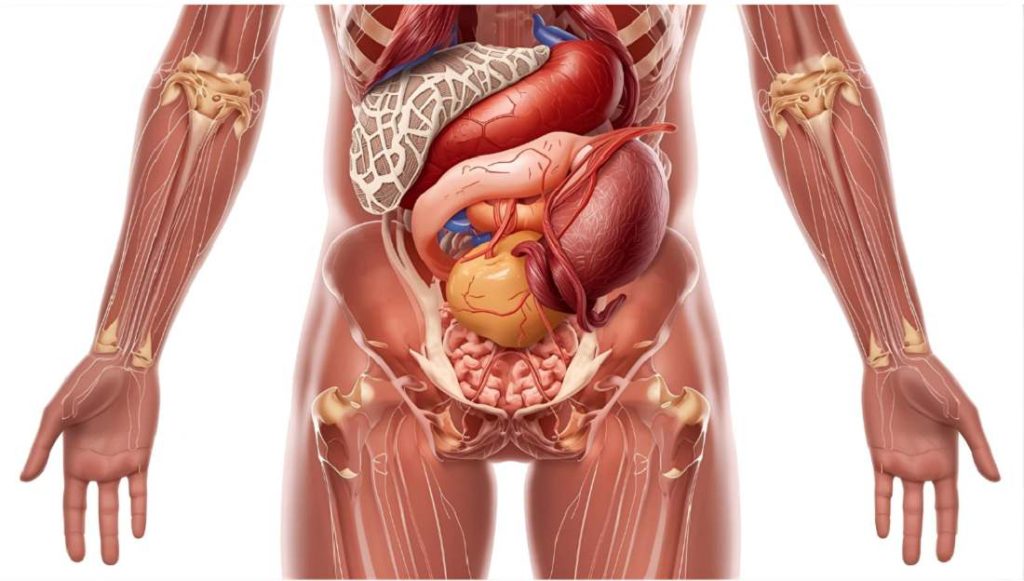
This is another way to achieve muscle relaxation during bottoming. During initial penetration, gently “bear down” as if about to have a bowel movement. This is sometimes called “opening up”. While it may feel counterintuitive, this action slightly straightens the anorectal angle, making entry smoother and less painful. Combining this with deep breathing can be particularly effective.
c. Trust and Surrender
The deepest form of relaxation often comes from emotional surrender. Trusting your partner and allowing yourself to be vulnerable creates a profound sense of safety and connection. When anxiety is replaced with this shared intimacy, your body can fully open, which heightens both physical and emotional pleasure.
When mindful control and conscious relaxation are combined, you create a state of full-body response that can lead to more intense and holistic pleasure.
Prostate (P-spot) Stimulation in Gay Men
The prostate, located a few inches inside the rectum, is a nerve-dense organ capable of producing powerful, full-body orgasms in men. Relaxation allows for deeper, more comfortable penetration, increasing the likelihood of stimulating this highly sensitive pleasure zone.
Many men experienced in bottoming have confirmed the possibility of having an anal orgasm – involuntary, rhythmic muscle contractions of the anus in response to intense pleasure – from adequate stimulation of the prostate.
A 2025 online survey of cisgender adults finds that men were more likely than women to report orgasm from receptive anal intercourse alone, though this was a self-report study and should not be treated as universal (Zaliznyak et al., 2025)4.
Other Tips For Better Bottoming Experience
a. Communicate
Talk openly and honestly about what feels good and what doesn’t. Unless it’s your personal kink (which requires explicit discussion and agreement), avoid the rigid roles dilemma — the total top/strict bottom dynamics. Remember: Sex is an act of connection, not a job title.
b. Use lube generously
The anus maintains incredible elasticity, but it does not self-lubricate. Always use a generous amount of a body-safe, high-quality lube. Water-based options are great for silicone toys, while silicone-based ones last longer and are often recommended for anal play. Hybrid options are great as well.
c. Find your position of comfort
Different bodies find different positions easier. Start with the position that gives you the most control over depth, angle, and pace.
d. Stop if not working
The experience of bottoming is different for everyone, and sometimes things just do not work. You have the right to stop going if it’s not working that day. Your partner has that same right too, so do not take it personally if they decide to pause or stop.
Conclusion:
The Control-Relax technique centres on feedback reading—helping some men reduce involuntary guarding, breathe more effectively, and approach penetration with less tension and more body awareness. When you release tension, you’re not merely reducing pain; you’re also enabling nerve endings to transmit pleasure rather than pressure.
📚 References
- Porges, S. W. (2022). Polyvagal theory: Neurophysiological foundations of emotions, attachment, communication, and self-regulation. Norton. https://pmc.ncbi.nlm.nih.gov/articles/PMC3490536/
- Torbay & South Devon NHS Foundation Trust. (n.d). Pelvic floor relaxation and breathing techniques. https://www.torbayandsouthdevon.nhs.uk
- Quinn, K., Dickson-Gomez, J., DiFranceisco, W., Kelly, J. A., St Lawrence, J. S., Amirkhanian, Y. A., & Broaddus, M. (2015). Correlates of internalized homonegativity among Black men who have sex with men. AIDS Education and Prevention, 27(3), 212–226. https://doi.org/10.1521/aeap.2015.27.3.212
- Zaliznyak, M., Walton, A. B., Stelmar, J., Isaacson, D., Gaither, T. W., Knudson, G., & Garcia, M. M. (2025). Anal sex practices and rectal erogenous zone maps among people of diverse sexual orientations: An anatomic-map based questionnaire study. Sexual Medicine, 13(3). https://doi.org/10.1093/sexmed/qfaf037