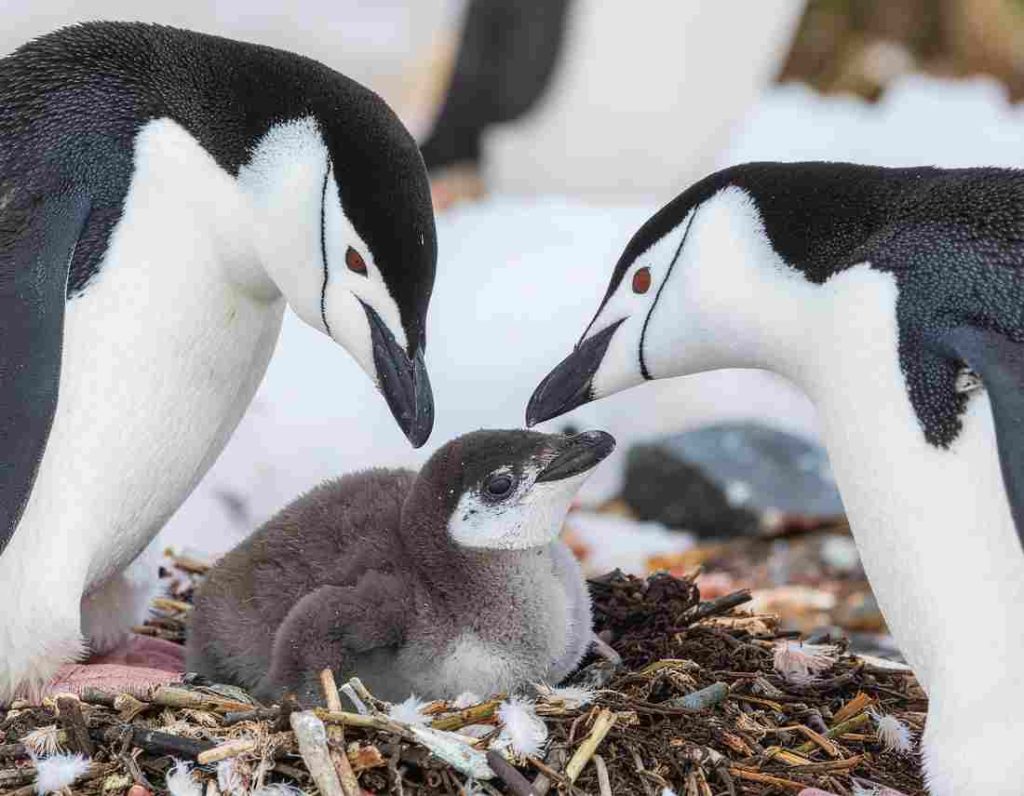
In the middle of Manhattan in 2000—where everything feels fast, loud, and larger than life—two male chinstrap penguins quietly became global symbols of tenderness, partnership, and unexpected parenthood. Their names were Roy and Silo.
While the media famously dubbed them the “gay penguins,” zoologists describe their relationship more precisely as same-sex pair bonding. Regardless of the label, their story challenged global perceptions of family and proved that caregiving and devotion come in many forms.
As we reflect on their legacy in 2025 (nearly three decades after the pair’s first meeting), their impact remains as relevant as ever.
The “Meet-Cute”: How a Bond Was Formed
Roy and Silo were residents of the Central Park Zoo, born in the late 1980s. By 1998, zookeepers noticed the two males had become inseparable. While other penguins were seeking female partners, Roy and Silo were observed engaging in courtship behaviours typical of their species.
According to reports from the time, the pair engaged in “ecstatic behaviour”—a specific ritual involving entwining their necks and vocalising to one another. They built a nest together and defended it, demonstrating a commitment that mirrored the heterosexual pairs in the enclosure. This was not a fleeting interaction; the pair remained exclusive for six years (Smith, 2004)4.
From Rock to Chick: The Story of Tango
The most famous chapter of Roy and Silo’s life began with a rock.
Desperate to incubate an egg like the other pairs, Roy and Silo were observed taking turns sitting on a rock they had placed in their nest. Recognising their strong parenting instincts, zookeepers decided to intervene. When another pair of penguins could not care for two fertile eggs, keepers gave one of the eggs to Roy and Silo to foster (Smith, 2004)4.
The pair did not disappoint. They incubated the egg for the standard 34 days, and in 1999, a female chick hatched. She was named Tango.
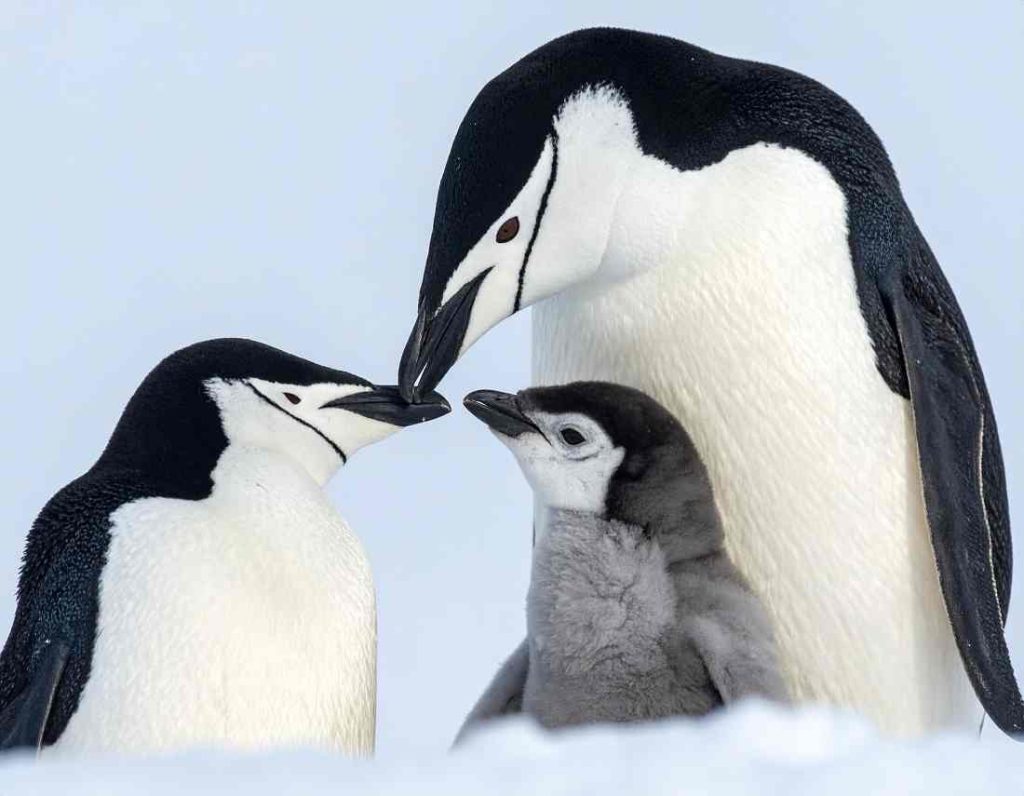
Roy and Silo proved to be exemplary parents. They fed Tango from their own beaks and kept her warm until she was independent enough to join the other penguins in the pool (Smith, 2004)4.
This success story highlighted a biological reality: the ability to nurture and raise offspring is not exclusive to male-female biological pairings. The same-sex penguin parents sparked a global conversation about nature and family.
The Breakup and The Reality of Nature
In 2005, the story took a turn that surprised the public but was unsurprising to ethologists (scientists who study animal behaviour). After years of partnership, the pair drifted apart. Silo formed a new pair bond with a female penguin named Scrappy.
While some fans of the duo were heartbroken, the split provided an important educational moment. Penguin relationships, while often monogamous for a season or several years, can change based on environmental factors and social dynamics. It was a reminder that while we often project human romance onto animals, their lives are governed by equally complex instincts (Harris, 2006)3.
Where Are They Now?
Because the Central Park Zoo did not issue official obituaries for the trio, there is no public record of the exact dates they died. However, based on biological timelines, we know they have passed on.
- Roy and Silo: Born in 1987, both penguins would have reached the end of their natural lifespan (typically 15–20 years) shortly after their separation in 2005.
- Tango: As of 2025, Tango has also passed away. She lived a full life in the zoo, eventually pairing with another female penguin named Tanuzi, continuing her fathers’ legacy of same-sex bonding.
And Tango Makes Three: A Literary Legacy
Roy and Silo’s story transcended the zoo walls with the 2005 publication of the children’s book And Tango Makes Three. Written by Justin Richardson and Peter Parnell, the book tells the factual story of the two penguins raising their chick.
The book became an instant bestseller but also a subject of intense debate. It has frequently appeared on the American Library Association’s (ALA) list of “Top 10 Most Challenged Books.”
Interestingly, the objections have rarely been about the penguins themselves, but rather about what they represent in the human context.
The Major Arguments for Pushing for the Book’s Ban:
- Age-Appropriateness:
- Some critics claim that the book contains themes of sex/sexuality and that the topic of same-sex relationships is “adult subject matter” unsuitable for young children (ages 4–8). Defenders of the book argue that the book depicts courtship and parenting, not sexual content.
- Religious Viewpoints:
- Some parents and religious groups argue that the book promotes a lifestyle that undermines family-based moral instruction. Defenders oppose the monopoly of religious authorities on moral instruction, proposing that children use their “innate rationality” to observe diverse family structures in nature and independently form their own understanding of love and care.
- Parental Rights:
- Arguments that schools and libraries should not introduce these concepts without parental consent (American Library Association, n.d.)1.
- Accuracy and Anthropomorphism (Less Common):
- Some critics argue that labelling the observed pair-bonding as “gay” is anthropomorphic and biologically inaccurate, though the observed behaviour (nesting, rearing) is factual.
As a result of these arguments, And Tango Makes Three was the #1 most challenged book in America for three consecutive years (2006–2008) and again in 2010. However, the book was never banned and remains a staple in education about diversity, helping children understand that families can look different and still be filled with love.
Visiting the Zoo Today
While Roy and Silo are no longer swimming in the tank, the Central Park Zoo continues to be a hub for conservation and education. The penguin house remains one of the most popular exhibits, featuring chinstrap, gentoo, king, and macaroni penguins.
For those visiting New York City, the zoo offers a chance to see these animals up close and learn about the threats they face in the wild due to climate change.
- Location: Central Park Zoo, East Side between 63rd and 66th Streets.
- Feeding Times: Daily at 10:30 a.m. and 2:30 p.m. (Central Park Zoo, 2025)2.
Conclusion: A Universal Force
Roy and Silo may be gone, but they left an indelible mark on popular culture. They invited the world to look at a simple penguin nest and see something profound: that the drive to connect and care for one another is a universal force of nature—and not only determined by sexes.
Disclaimer: All penguin images used on this page are AI-generated but represent genuine features and behaviour of chinstrap penguins.
References
- American Library Association. (n.d.). Top 10 and frequently challenged books archive. https://www.ala.org/bbooks/frequentlychallengedbooks/top10/archive
- Central Park Zoo. (2025). Penguin feedings. https://centralparkzoo.com/things-to-do/experiences/penguin-feedings
- Harris, P. (2006, November 18). Flap over a tale of gay penguins. The Guardian. https://www.theguardian.com/world/2006/nov/19/gayrights.usa
- Smith, D. (2004, February 7). Central Park Zoo’s gay penguins ignite debate. SFGATE. https://www.sfgate.com/news/article/Central-Park-Zoo-s-gay-penguins-ignite-debate-2825165.php
🐧 Quick Facts: Chinstrap Penguins – Pygoscelis antarcticus
- Status: “Least Concern” (IUCN), though climate change is a threat.
- Lifespan: 15–20 years in the wild.
- Diet: Primarily krill and small fish.
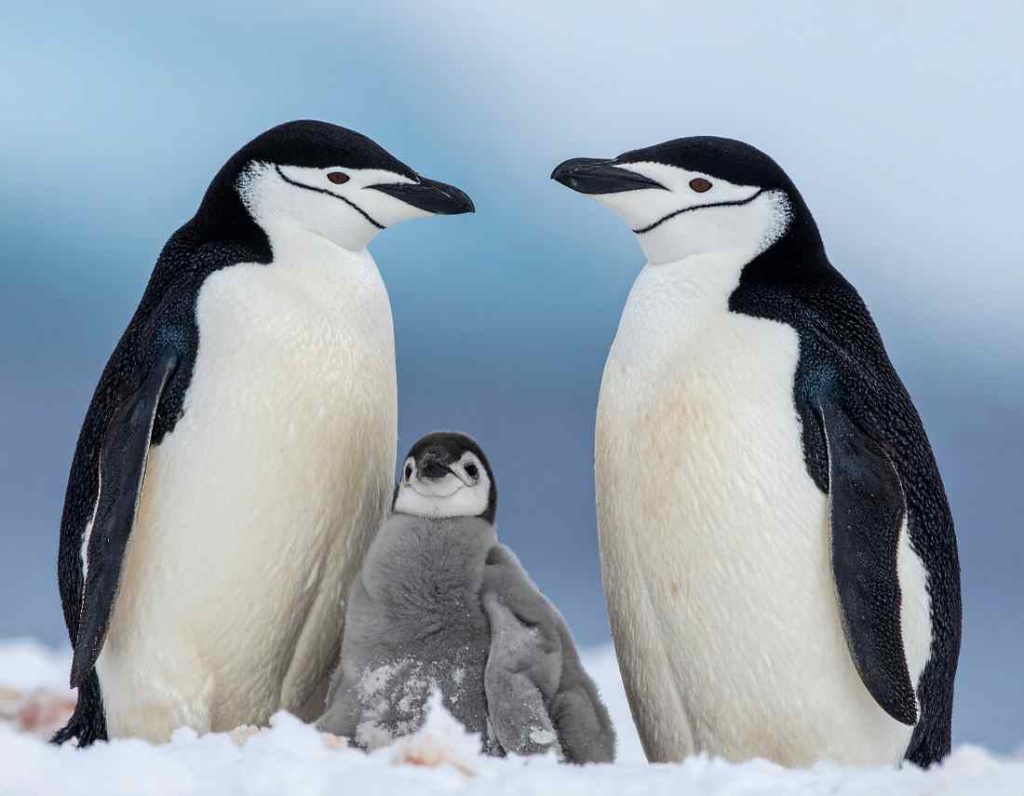
- The “Chinstrap”: Named for the narrow black band under their heads.
- Roy & Silo Timeline:
- 1987: Hatched at Central Park Zoo.
- 1998: Began courting and nesting.
- 1999: Adopted egg; Tango hatched.
- 2005: Pair separated; Silo paired with Scrappy.
💬 Discussion:
Use these questions to spark conversation at the dinner table:
- Moral Authority:
- Some argue that children have an “innate rationality” that helps them understand the world. Do you think children are capable of understanding diverse concepts of nature on their own, or do they need specific moral instruction from adults to process everything the right way?
- The Definition of Family:
- Roy and Silo successfully raised Tango without being a male-female pair. What does this suggest about the core requirements for being a good parent?