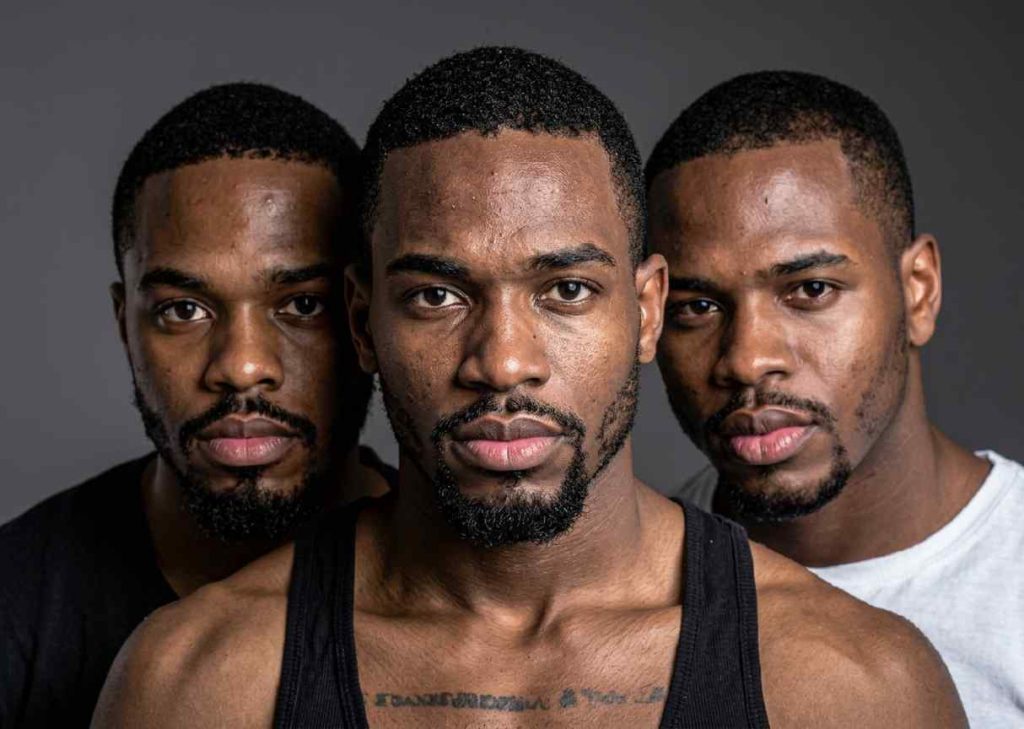
For many Black gay men, internalised shame arrives quietly—through a barber’s sidelong glance, a preacher’s pause, or the sudden hush at family gatherings—when you walk into a space. Those small moments add up, turning pride into performance and joy into something you ration.
Internalised shame in Black gay men has roots in intersecting forms of social stigma, where race, sexuality, masculinity norms, religion, and social surveillance collide. It can manifest as feelings of inadequacy, self-doubt, and fear of rejection, often contributing to isolation, toxic loneliness, low self-worth, and chronic self-monitoring.
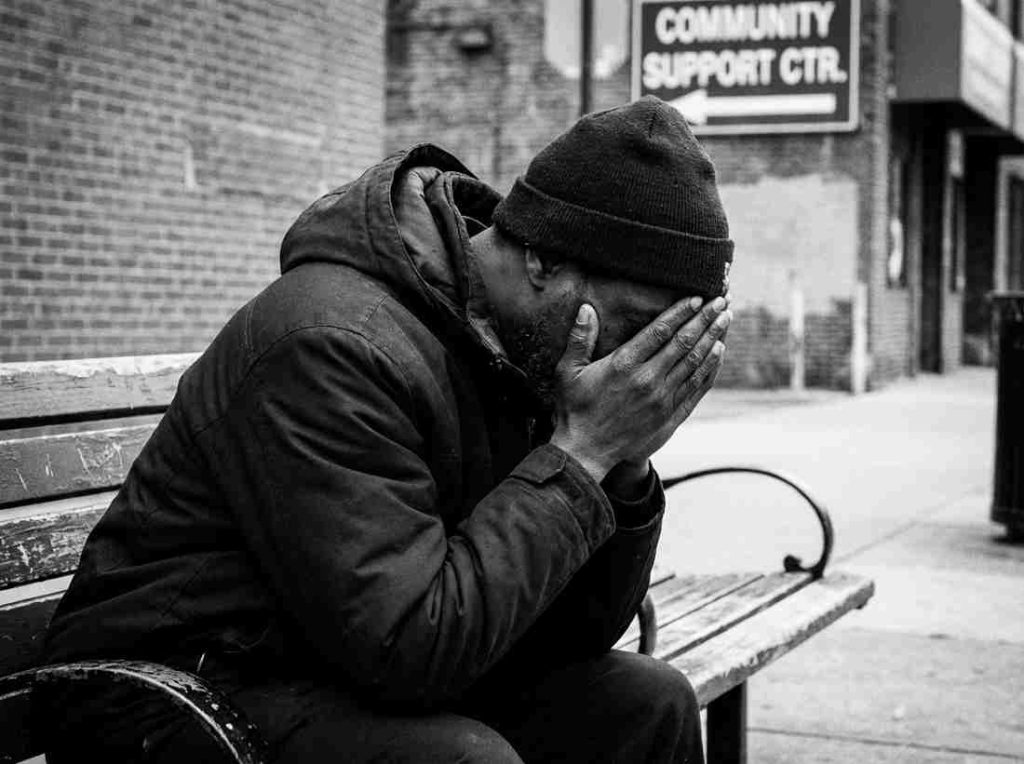
Drawing from psychology, community research, and lived experience, this article examines the realities of internalised stigma and shame among Black gay men and offers science‑based steps to healing and resilience.
1. The Weight of Intersectional Stigma
Internalised shame isn’t just a fleeting feeling; it’s the deep-seated belief that something is inherently wrong with you, unconsciously assimilated from years of navigating external bias and prejudices.
For Black gay men, this manifests at the “intersection” where homophobia within Black communities clashes with racism in white LGBTQ+ spaces. Researchers call this intersectional internalised stigma (Earnshaw et al., 2019)[2].
Evidence shows that Black gay and bisexual men experience higher rates of depression and anxiety, shaped by multiple social and interpersonal stressors (Graham et al., 2011)[4].
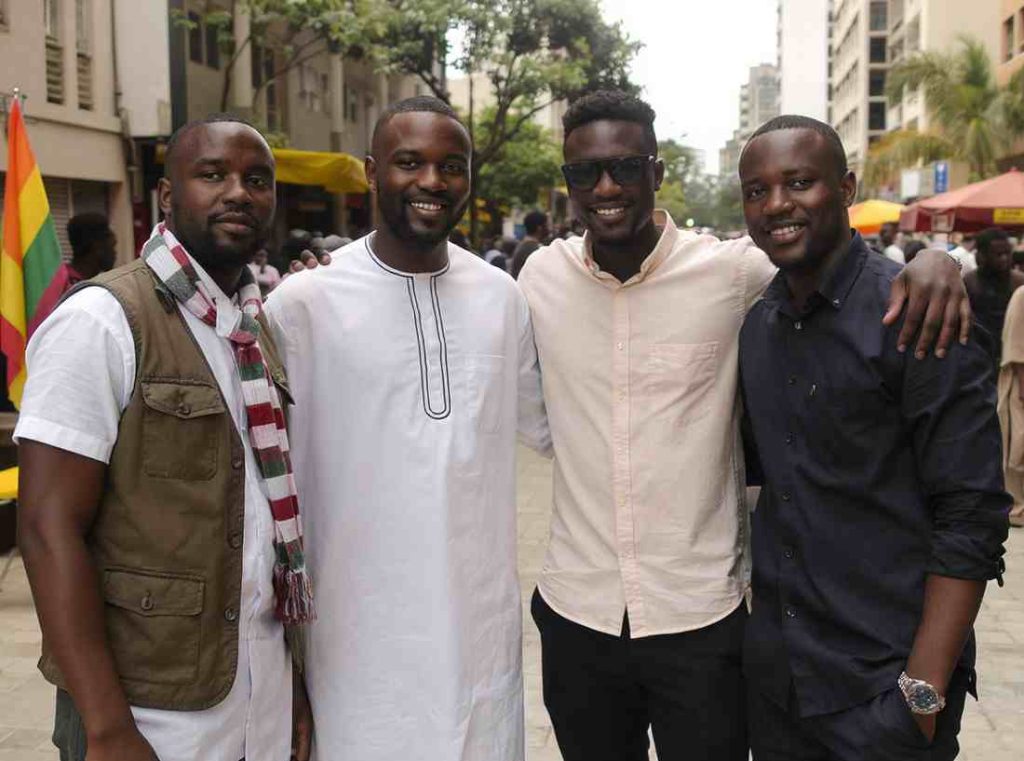
Gay Men in Africa
In many African contexts, gay men still face legal risk, targeted aggression, and violence. As of 2025, 31 of Africa’s 54 countries still criminalise consensual same-sex relations between adults.
The criminalisation of same-sex desire gives official force to the idea that homosexuality is shameful, spreading harmful stigma that causes ongoing psychological distress for gay men in Africa.

2. How Internalised Shame Shows Up in Daily Life
The impact of internalised shame and stigma on Black gay men permeates every aspect of daily life, often appearing in subtle but painful ways:
a. Psychological Impact:
Internalised shame and stigma have a profound psychological impact on Black gay men, leading to:
- Higher rates of mental health issues, such as depressive symptoms and anxiety disorders.
- Higher rates of suicidal thoughts and attempts (Graham et al., 2011)[4].
- Low self-esteem and self-worth.
- Social isolation.
- Higher rates of risky sexual practices and avoidance of HIV testing/treatment (Fields et al., 2016)6.
Internalised shame can lead some gay men to use substances, engage in compulsive sexual behaviour, or seek out high-intensity sexual contexts as ways of coping with shame-related distress and loneliness (English et al., 2018)[3].
b. Relationships and Intimacy:
Internalised shame and stigma affect the ability of Black gay men to form and maintain healthy, intimate relationships.
- Feelings of unworthiness.
- Fear of rejection, rejection sensitivity and avoidance of gay social spaces/events.
- High rates of sexual anxiety capable of causing arousal and erectile issues (Yang et al., 2019)12.
- Armouring and difficulty relaxing during receptive sex or bottoming.
c. General Health:
Internalised shame and stigma often discourage Black gay men from seeking sexual and mental health support, resulting in higher rates of untreated mental health challenges and preventable sexual health infections (Quinn et al., 2019)[5].
3. Healing Strategies for Internalised Stigma and Gay Shame
Healing from internalised shame and stigma requires a multi-layered approach that addresses both individual cognitive processes and systemic issues of racism and homophobia.
These practical and science-informed methods of healing from shame include:
- Developing self-compassion
- Building strong support networks
- Engaging in culturally competent therapy and trauma-informed care (Davis & Morahan, 2024)[1].
- Fostering resilience through community and advocacy (Rose and Brown, 2022)[6].
Building Shame Resilience as a Black Gay Man
Here are evidence‑informed methods for understanding and dismantling gay shame and building resilience, organised into cognitive, social, and lifestyle approaches:
1. Cognitive approaches
These focus on how shame is interpreted, rehearsed, and sustained in the mind.
- Psychoeducation: learning that shame is often socially conditioned, not proof of a real personal defect.
- Cognitive reframing: identifying and challenging shame-based beliefs and replacing them with more accurate, compassionate ones.
- Mindfulness: noticing shame without immediately collapsing into self-judgment.
- Self-awareness: recognising patterns of shame-obeying behaviours such as harsh self-talk, overcompensation, or chronic self-monitoring and addressing them.
2. Social approaches
These address the social conditions that deepen shame and the relationships that can help weaken it.
- Affirming relationships: building friendships, community, or chosen family where authenticity feels safe and celebrated.
- Selective disclosure: sharing more honestly in spaces where respect and emotional safety are present.
- Therapeutic support: working with a culturally competent and affirming therapist, where possible.
- Boundary-setting: reducing exposure to people or spaces that reinforce humiliation, rigid masculinity, or chronic comparison.
3. Lifestyle approaches
These support emotional healing by improving the wider conditions in which resilience develops.
- Rest and regulation: improving sleep, reducing chronic stress, and supporting nervous system stability.
- Healthy coping: reducing dependence on avoidance, substance use, or compulsive behaviours.
- Joy and pleasure: making room for creativity, rest, intimacy, humour, and meaningful enjoyment.
- Affirming culture: engaging with Black queer art, literature, history, and community as sources of pride and recognition.
DNB Frameworks for Understanding and Dismantling Gay Shame
- Absurdity Reps Method (ARM) — helps explain how shame gets triggered in real time and how it can be interrupted.
- Masculinity Anchors Model (MAM) — helps explain how shame forms around masculinity, validation, and worth.
- Dynamic Disclosure — useful for the social side of shame resilience, especially around safer, non-performative disclosure.
- The Trust Onion Model — useful for creating chosen family, safer belonging, and affirming support systems that reduce shame.
- The Shame “Void” — explains how shame can feed compulsive coping, invisibility, or disconnected sex.
🌈We are Black and Queer! Unapologetic!
To be born is to be worthy. The shame we carry is borrowed, and it can be released. Seek support in honest conversations, therapy, affirming communities, and spaces that celebrate both your Blackness and your queerness. Each time you show up fully, shame loses power and joy takes its place. 💖
Dance at the private house parties in Lekki. Take that Instagram crush to dinner in Hell’s Kitchen. Drop by Brixton to check in with your chosen family. This life is real, and many Black gay men are already living it by choosing presence over performance. You, too, can. Step forward. Enter rooms freely. Laugh wider so people notice.
Fill the space where shame once lived with colour, joy, and your full self. 👨🏿❤️💋👨🏽
References
- Davis, A. J., & Morahan, M. (2024). Decolonising integrative practice with Black queer men who experienced trauma: A thematic analysis. Counselling and Psychotherapy Research, 24(3), 1044–1056. https://doi.org/10.1002/capr.12780
- Earnshaw, V. A., Reed, N. M., Watson, R. J., Maksut, J. L., Allen, A. M., & Eaton, L. A. (2019). Intersectional internalised stigma among Black gay and bisexual men: A longitudinal analysis spanning HIV/sexually transmitted infection diagnosis. Journal of Health Psychology, 26(3), 465–476. https://doi.org/10.1177/1359105318820101
- English, D., Rendina, H. J., & Parsons, J. T. (2018). The effects of intersecting stigma: A longitudinal examination of minority stress, mental health, and substance use among Black, Latino, and multiracial gay and bisexual men. Psychology of Violence, 8(6), 669–679. https://doi.org/10.1037/vio0000218
- Graham, L. F., Aronson, R. E., Nichols, T., Stephens, C. F., & Rhodes, S. D. (2011). Factors Influencing Depression and Anxiety among Black Sexual Minority Men. Depression Research and Treatment, 2011, 1–9. https://doi.org/10.1155/2011/587984
- Quinn, K., Bowleg, L., & Dickson-Gomez, J. (2019). “The fear of being Black plus the fear of being gay”: The effects of intersectional stigma on PrEP use among young Black gay, bisexual, and other men who have sex with men. Social Science & Medicine, 232, 86–93. https://doi.org/10.1016/j.socscimed.2019.04.042
- Rose, B., & Brown, E. (2022). Healing Through Authentic Connection: Utilising Relational Cultural Therapy With Black Gay Men. Journal of LGBTQ Issues in Counselling, 16(4), 406–421. https://doi.org/10.1080/26924951.2022.2067284